Algorithmic Tracing in Multi-Game Loyalty Frameworks at Licensed Online Gaming Sites
Written by David Becker · Jul 12, 2026

Algorithmic Tracing in Multi-Game Loyalty Frameworks at Licensed Online Gaming Sites
Software algorithms underpin loyalty programs that span multiple game categories at licensed digital venues, and these systems track player activity across slots, table games, and live dealer options while calculating rewards in real time. Developers build these frameworks on modular architectures that pull data from game servers, aggregate session metrics, and apply weighted formulas to determine point accrual, tier progression, and personalized offers.
Player identification starts with account linkage and device fingerprinting, after which event listeners capture every spin, hand, or wager. Algorithms then normalize this raw data into standardized units before feeding it into central processing modules that handle cross-game multipliers and bonus eligibility checks. Observers note that such normalization allows consistent reward distribution even when players switch between high-volatility slots and strategic poker variants within the same session.
Core Processing Layers Behind Reward Calculation
At the foundation sit data ingestion pipelines that receive continuous feeds from each game engine, and these pipelines apply validation rules to filter out anomalous inputs before storage. Subsequent layers run pattern recognition routines that identify play frequency, average bet size, and session duration across game types, then map those patterns against predefined loyalty tiers. Research from the Canadian Gaming Association indicates that tier thresholds often incorporate both volume and variety metrics to encourage broader engagement rather than single-game focus.
Calculation engines apply dynamic coefficients that adjust point values based on game contribution rates, and these coefficients update periodically to reflect operator priorities or promotional cycles. In July 2026 several platforms rolled out revised weighting schedules that increased rewards for live dealer participation while maintaining parity for video slots, demonstrating how operators refine algorithmic parameters without altering core tracking infrastructure.
Integration Across Diverse Game Ecosystems
Multi-game loyalty systems rely on unified player profiles that merge activity logs from disparate game providers through API gateways, and these gateways enforce data formatting standards that enable seamless point aggregation. Middleware components reconcile differences in game-specific payout structures so that a blackjack session and a roulette sequence contribute to the same balance despite varying house edges and betting mechanics. Studies from the University of Nevada, Reno Gaming Research Center show that successful reconciliation reduces discrepancies in reported loyalty balances by over 98 percent when compared against legacy single-provider setups.
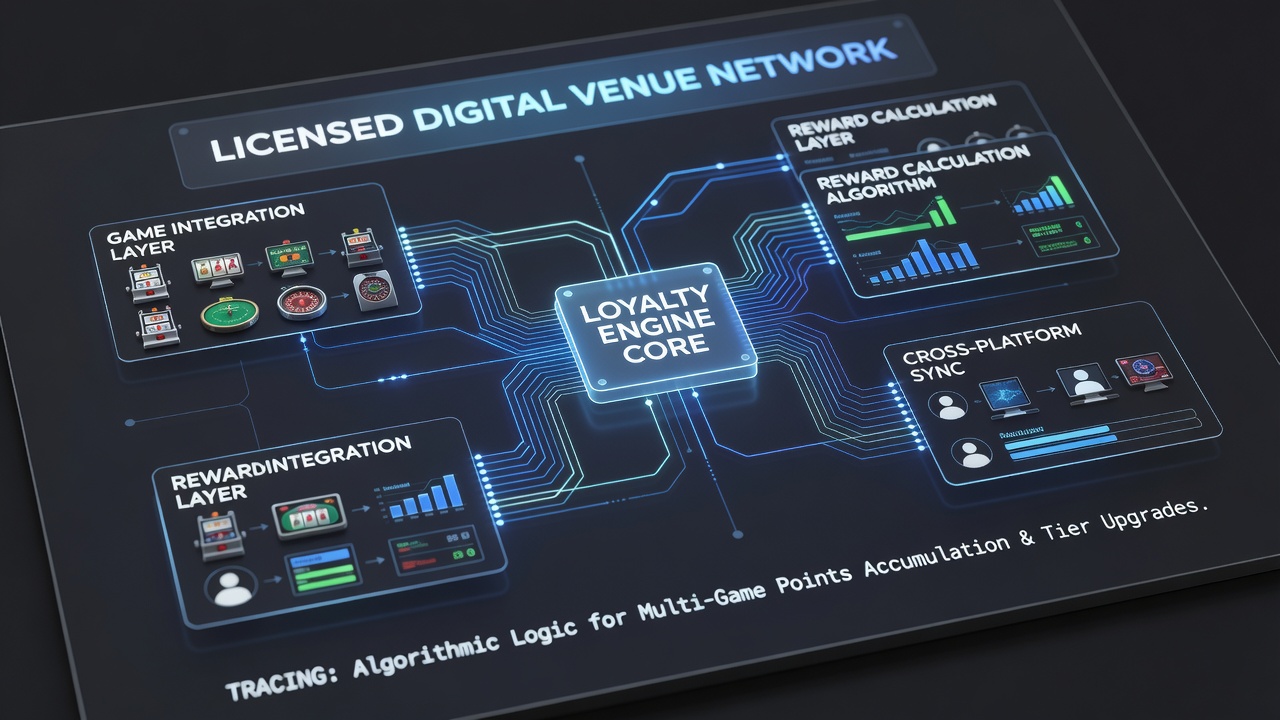
Security layers wrap these integration points with encryption and access controls that limit exposure of individual player histories, while audit trails record every algorithmic decision for regulatory review. Operators in regions such as New South Wales maintain independent verification of these trails through bodies like the Office of Liquor, Gaming and Racing, ensuring algorithmic outputs align with approved mathematical models.
Analytics Driving Personalization and Retention
Advanced modules employ clustering techniques to segment users according to behavioral signatures, after which recommendation engines select targeted incentives such as free spins or cashback percentages tailored to each cluster. These engines draw on historical datasets that span multiple months, allowing prediction of churn risk and timely delivery of retention offers before players reduce activity. Data compiled by the National Council on Problem Gambling reveals that venues employing such predictive segmentation report steadier month-over-month participation rates compared with those relying solely on static reward schedules.
Real-time dashboards present aggregated insights to compliance teams, and these dashboards flag unusual patterns that may require manual review under responsible gaming protocols. Algorithms also incorporate session time caps and spending alerts that activate automatically when thresholds are crossed, integrating player protection directly into the loyalty calculation workflow.
Conclusion
Tracing the software algorithms behind multi-game loyalty programs reveals layered systems that combine data capture, normalization, cross-provider integration, and predictive analytics within regulated environments. Licensed venues continue to refine these components through scheduled parameter updates and third-party audits, maintaining both operational efficiency and compliance with jurisdictional requirements across North America and Australia.