Cross-Platform Shifts in Player Activity Between Digital Card Rooms and Virtual Sportsbooks
Written by Finley Carter · Jun 16, 2026
Cross-Platform Shifts in Player Activity Between Digital Card Rooms and Virtual Sportsbooks
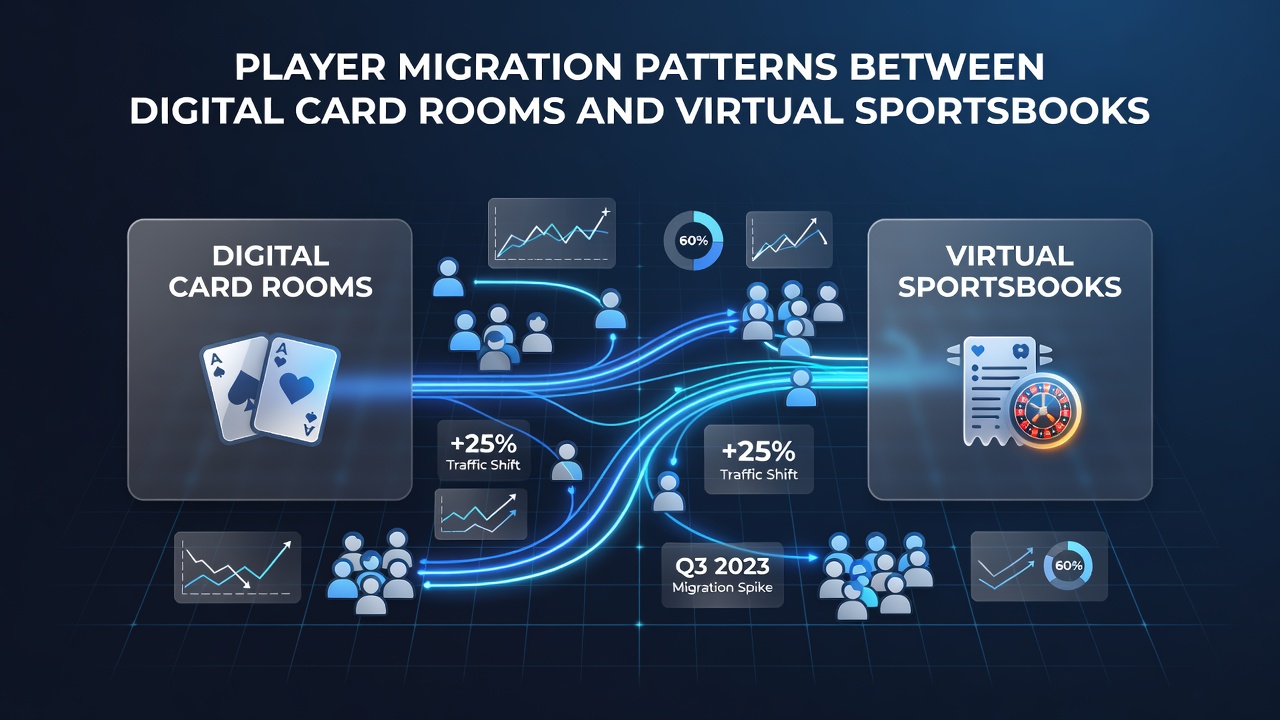
Digital card rooms and virtual sportsbooks have developed distinct player bases over the years, yet migration patterns between these two segments continue to evolve as operators refine their offerings and market conditions shift. Research indicates that participants often move based on factors such as game variety, promotional structures, and perceived skill elements, while data from multiple regions shows consistent but varying rates of crossover activity.
Factors Influencing Player Transitions
Observers note that volatility in sports outcomes frequently prompts individuals to seek more controlled environments like poker, where decision-making plays a larger role, whereas extended losing streaks at the tables can drive players toward the faster pace of sports wagering. Studies from academic institutions have documented these cycles, highlighting how seasonal events such as major tournaments or league schedules create temporary spikes in one direction or the other. Those who've examined transaction logs across platforms report that deposit patterns often precede these moves, with users testing smaller amounts before committing larger balances.
Regulatory frameworks also shape these movements, since licensing requirements in different jurisdictions affect available games and bonus structures. In areas with strict advertising rules, operators rely on retention tools that encourage exploration of sister sites or integrated lobbies, which in turn facilitates easier switches between card play and betting markets. Evidence from industry reports suggests that mobile accessibility has accelerated this process, allowing seamless logins across product types without additional verification steps in many cases.
Regional Data and Observed Trends Through Mid-2026
Figures compiled through June 2026 reveal notable differences across markets. In North America, the American Gaming Association has tracked participation metrics showing that approximately 18 percent of active poker accounts also maintain regular sportsbook activity within the same twelve-month window. This overlap appears higher among users aged 25 to 34, where convenience features like unified wallets reduce friction. Meanwhile, data collected by iGaming Ontario indicates steadier migration rates in Canada, with sports bettors entering card rooms at lower volumes but demonstrating longer session times once they arrive.
European markets present a contrasting picture, where the European Gaming and Betting Association has published analyses pointing to stronger retention within each vertical rather than frequent switching. Cultural preferences for specific sports leagues and established poker networks contribute to this separation, although cross-promotions during major events like the UEFA Champions League or World Series of Poker have narrowed the gap in recent periods. Academic researchers at institutions such as the University of Sydney have examined similar datasets from Australia, finding that responsible gambling tools sometimes limit rapid back-and-forth activity by enforcing cooling-off periods across product categories.
Platform Responses and Retention Strategies
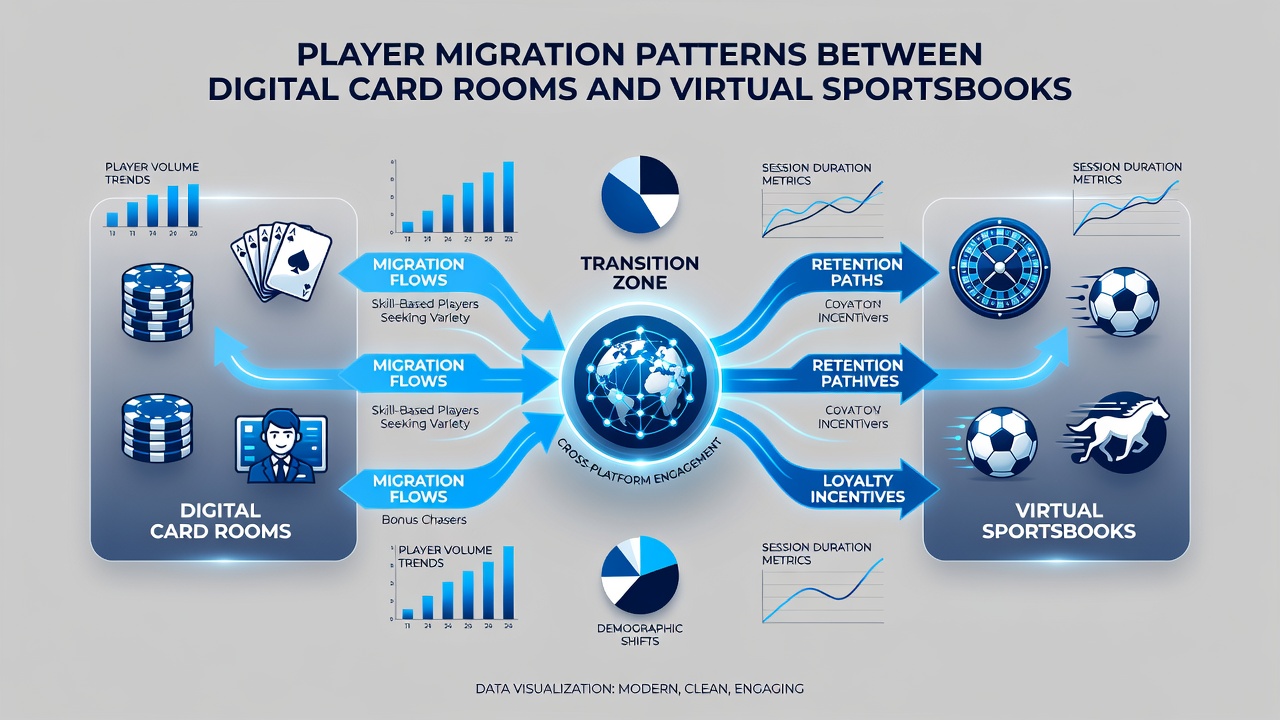
Operators have responded by developing hybrid features that blend elements from both formats, such as poker-based prediction games tied to real sports results or sportsbook side bets that incorporate probability calculations reminiscent of table games. These innovations aim to capture attention before players migrate elsewhere, and transaction records show modest success in stabilizing user bases when implemented consistently. Loyalty programs that award points redeemable across verticals further reduce the incentive to leave one ecosystem for another.
Payment processing improvements have also played a role, with faster withdrawals and lower fees making it easier for users to redistribute funds without exiting an operator's network entirely. Those monitoring compliance data note that jurisdictions requiring segregated accounts for different products experience slightly lower migration volumes, since additional steps deter casual movement. Yet the overall trend points toward greater integration as technology advances and user expectations for unified experiences grow.
Conclusion
Patterns of player movement between digital card rooms and virtual sportsbooks reflect a combination of individual preferences, external events, and structural platform changes. Data gathered through June 2026 demonstrates measurable crossover activity that varies by region and demographic, while operators continue adapting tools to manage these flows. Continued observation of these dynamics will depend on evolving regulations and technological developments across global markets.