Data Analytics Reshaping Decision Making in Multi-Format Wagering
Written by David Becker · Jul 10, 2026
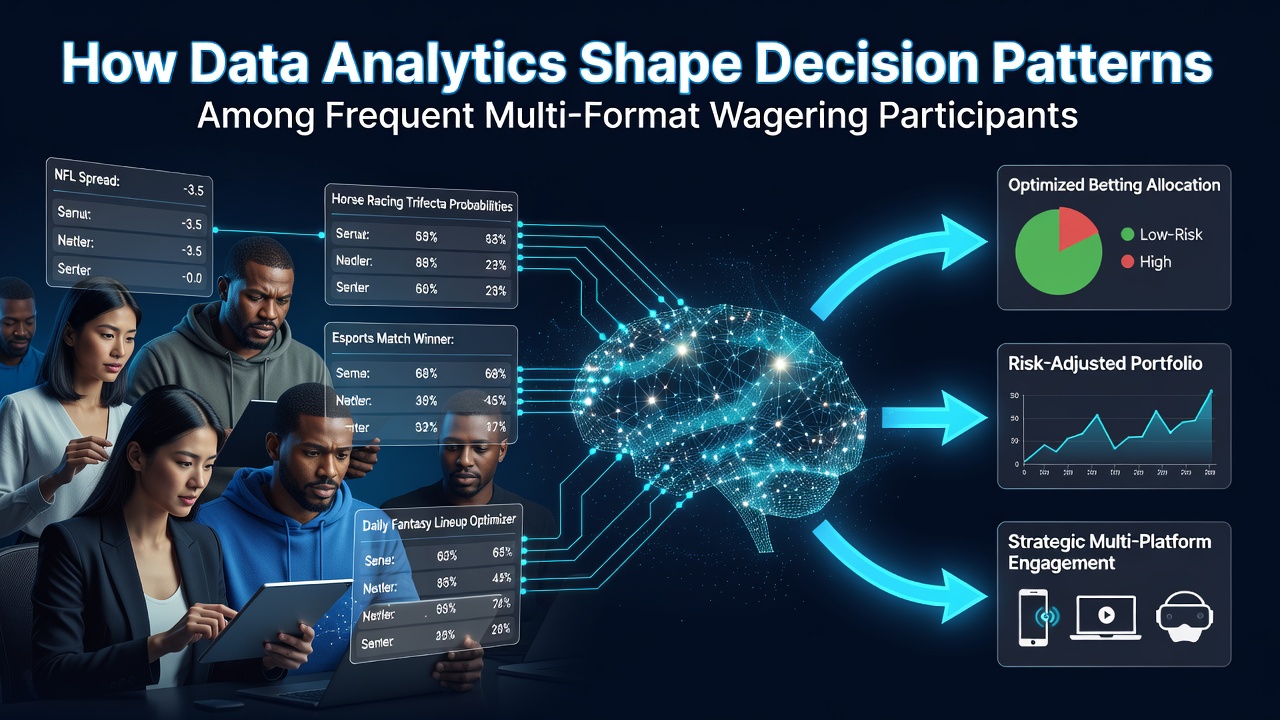
Data Analytics Reshaping Decision Making in Multi-Format Wagering
Data analytics tools now track betting activity across sportsbooks, casino games, and poker rooms simultaneously, and frequent participants encounter personalized interfaces that adjust recommendations based on historical patterns rather than generic promotions. Operators compile datasets from deposit histories, session durations, and format preferences while algorithms identify correlations that guide the next suggested wager or limit adjustment.
Platforms process real-time inputs such as live odds movements and past performance metrics, then surface options that align with observed tendencies, so users who previously favored football accumulators might receive prompts for correlated casino side bets or poker tournament entries during the same login period. This integration allows participants to maintain activity across formats without manually switching between separate applications or accounts.
Tracking Mechanisms Behind Pattern Recognition
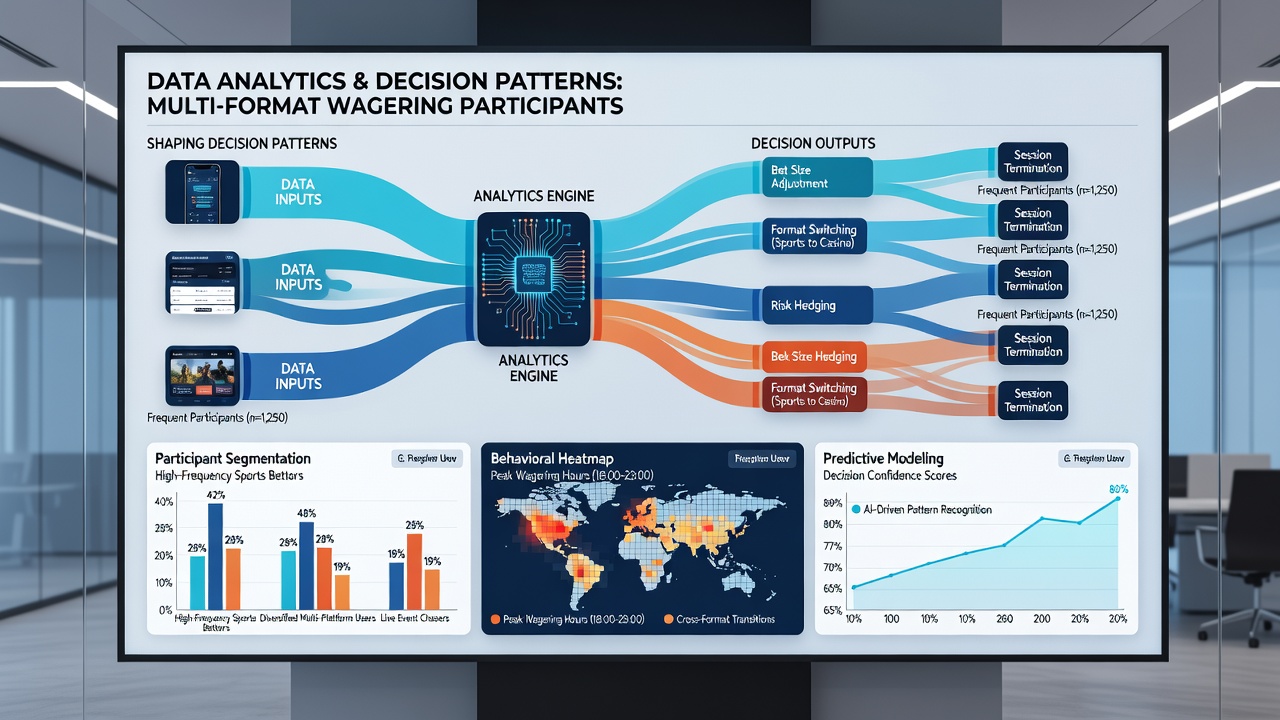
Operators deploy machine learning models that segment users according to risk tolerance indicators derived from win-loss ratios and volatility exposure, while these models update continuously as new wagers register in the system. Participants notice interfaces that highlight statistical edges calculated from thousands of similar user profiles, and such highlighting occurs through visual cues rather than direct advice.
Session data feeds into predictive engines that forecast likely next actions, and operators use those forecasts to optimize bonus structures or cash-out timings presented to each account. Research indicates that multi-format participants generate denser datasets than single-format users because their activity spans distinct game mechanics and payout structures, which in turn improves model accuracy for segmentation purposes.
Personalization and Cross-Format Influences
Algorithms correlate performance in one format with behavior in another, so a participant showing consistent value betting in racing events may receive tailored poker hand recommendations that mirror the same risk-reward parameters observed in prior sessions. This cross-referencing occurs through unified player profiles that aggregate metrics without requiring separate consent steps for each vertical.
During July 2026 several major platforms introduced unified analytics dashboards that display aggregated performance across all formats on a single screen, and users began adjusting stake sizes based on these consolidated views rather than isolated game statistics. The change coincided with updated data-sharing agreements between operators and third-party analytics providers that standardize how behavioral signals transfer between sports and casino divisions.
Regulatory and Industry Data Sources
According to reports from the Nevada Gaming Control Board, multi-format wagering accounts grew by 18 percent in the twelve months ending June 2026, with analytics-driven features cited as a contributing factor in retention metrics. Separate findings from the Australian Institute of Criminology highlight that participants exposed to predictive nudges tend to distribute bankroll allocations more evenly across formats instead of concentrating exposure in one vertical.
Industry associations such as the European Gaming and Betting Association compile anonymized datasets that show how decision latency decreases when participants receive format-specific probability visualizations generated from their own historical results. These reductions in decision time occur because the displayed probabilities already incorporate individual variance patterns rather than population averages.
Impact on Risk Management Practices
Frequent participants increasingly rely on platform-provided volatility scores that aggregate across formats, and these scores help determine when to pause activity or shift to lower-variance options within the same session. Data pipelines flag sequences that deviate from established patterns, triggering automated limit suggestions that appear before the participant places the next wager.
Studies from university research groups demonstrate that access to such aggregated analytics correlates with more deliberate stake sizing, particularly among those maintaining active positions in both fixed-odds and in-play markets. The same datasets allow operators to identify format-switching sequences that precede larger overall volume increases, enabling preemptive responsible gaming interventions calibrated to individual histories.
Conclusion
Analytics infrastructure continues to connect previously separate wagering channels through shared player profiles and predictive modeling, and frequent multi-format participants experience decision environments shaped by their own accumulated data points. Regulatory bodies in multiple jurisdictions monitor these developments through required reporting on algorithmic transparency, while industry groups track adoption rates of unified analytics features. The resulting landscape shows measurable shifts in how activity distributes across formats as participants respond to data-informed prompts rather than isolated game interfaces.