Digital Bingo and Horse Racing: Participation Trends Highlight Unexpected Community Overlaps
Written by Willa Patterson · Jun 9, 2026
Digital Bingo and Horse Racing: Participation Trends Highlight Unexpected Community Overlaps
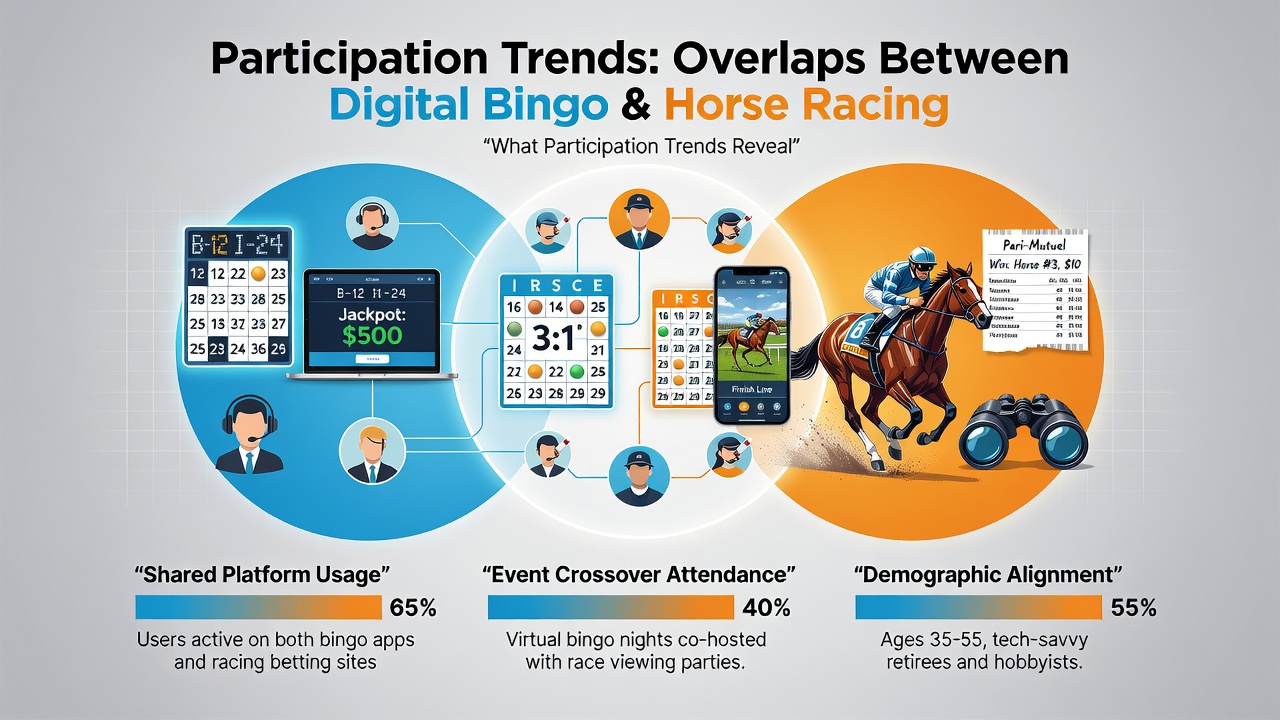
Participation trends in digital bingo communities and horse racing circles have started to show measurable overlaps according to recent industry reports and demographic analyses, with data from June 2026 indicating that a notable segment of users engage with both activities through integrated online platforms and shared social features.
Current Participation Patterns in Digital Bingo
Digital bingo platforms have recorded steady user growth since the expansion of mobile apps and live-streamed games, and researchers note that these environments often incorporate chat rooms and community events that mirror the social aspects found in traditional bingo halls. Data from multiple tracking services reveals that peak engagement occurs during evening hours when users join themed rooms or progressive jackpots, and participation rates climbed further in early 2026 as operators introduced hybrid formats combining bingo rounds with secondary betting options on live events.
Horse Racing Enthusiast Behaviors and Online Shifts
Horse racing followers have increasingly moved toward digital channels for placing wagers and following race streams, with participation metrics from major tracks showing consistent attendance at online forums and betting apps. Observers note that these enthusiasts frequently participate in virtual syndicates or discussion groups where they analyze form guides and share tips, and June 2026 saw elevated activity around major festival periods as real-time updates and mobile interfaces allowed simultaneous engagement with multiple races.
Evidence of Shared User Bases
Analytics from platform operators demonstrate that a measurable portion of digital bingo participants also maintain active profiles on horse racing betting sites, and studies conducted by academic institutions have identified common demographic markers such as age ranges between 35 and 55 along with preferences for mobile access. One report from the National Center for Responsible Gaming highlighted correlations in session lengths and deposit patterns across both categories, while cross-referencing user data showed that bingo players often transition to race-day betting during seasonal peaks. This overlap appears driven by algorithmic recommendations on gambling sites that suggest related games based on prior activity, and community forums reveal users discussing strategies that span bingo number patterns and horse form analysis in the same threads.
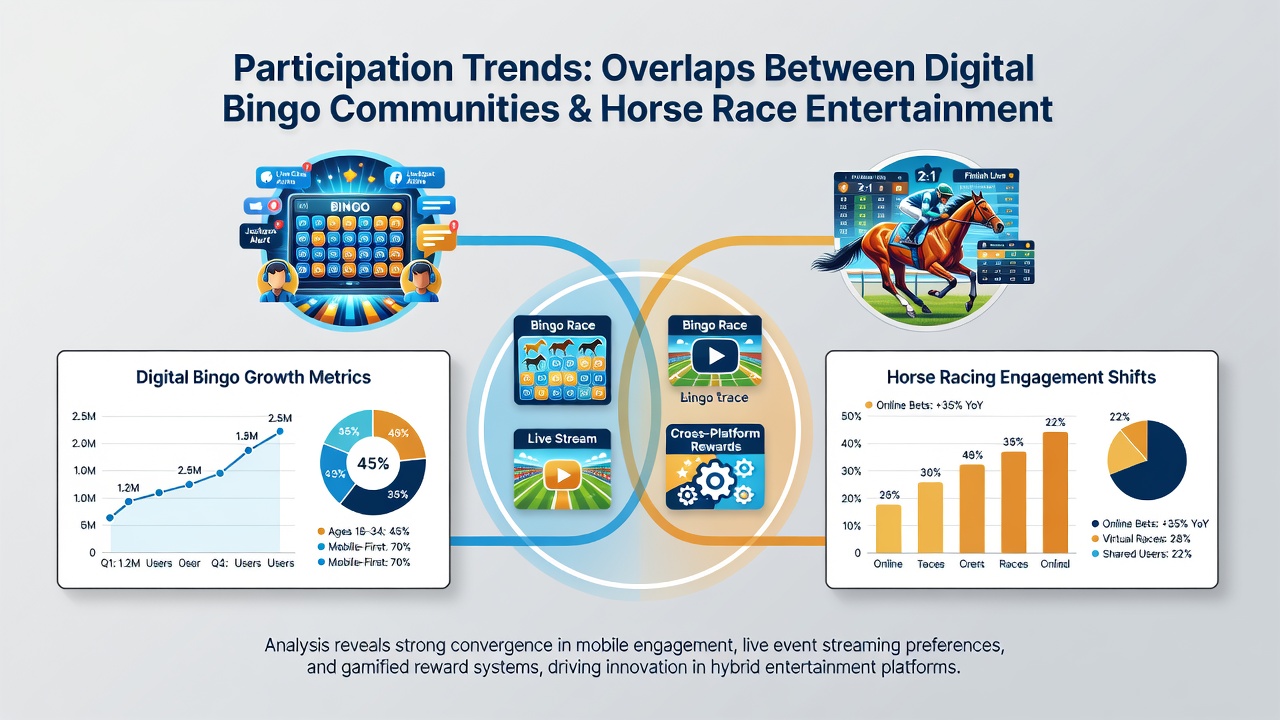
Those who've examined loyalty program data find that reward structures encouraging multi-game participation contribute to these connections, and participants report joining bingo sessions while monitoring live races through split-screen applications. In June 2026, several operators launched promotional bundles that paired bingo tickets with race betting credits, which further encouraged crossover activity according to internal metrics shared in industry briefings.
Demographic and Behavioral Factors Driving Connections
Surveys distributed through player networks indicate that many individuals in these overlapping groups cite convenience and entertainment variety as primary reasons for dual participation, and geographic data shows higher concentrations in regions with established racing calendars alongside widespread broadband access. Researchers from the Australian Institute of Family Studies have documented similar patterns in longitudinal studies of recreational gamblers, noting that users who begin with one format frequently explore adjacent offerings within the same ecosystem. Social features play a central role here as well, since bingo communities often host race-night watch parties online, and horse racing groups incorporate bingo-style prediction games during off-peak periods to maintain engagement.
Platform Integration and Future Indicators
Operators have responded to these trends by developing unified dashboards that allow seamless switching between bingo halls and racing interfaces, and participation logs from June 2026 reflect increased session continuity across both categories. Evidence from aggregated industry reports suggests that regulatory frameworks in various jurisdictions continue to monitor these overlaps for compliance purposes, and data-sharing agreements between platforms help identify emerging user clusters. Those tracking technological developments point to advancements in personalization algorithms that anticipate cross-interest behaviors, which in turn sustain the observed participation bridges between the two communities.
Conclusion
Participation trends continue to illustrate tangible connections between digital bingo communities and horse racing enthusiasts through shared demographics, platform features, and behavioral patterns, with June 2026 data underscoring the role of integrated online environments in facilitating these overlaps. Ongoing analyses from research bodies and industry sources provide further clarity on how these communities evolve alongside technological and promotional developments.