Digital Innovations Driving Hybrid Bingo and Poker Formats
Written by Frankie Sullivan · Aug 16, 2026
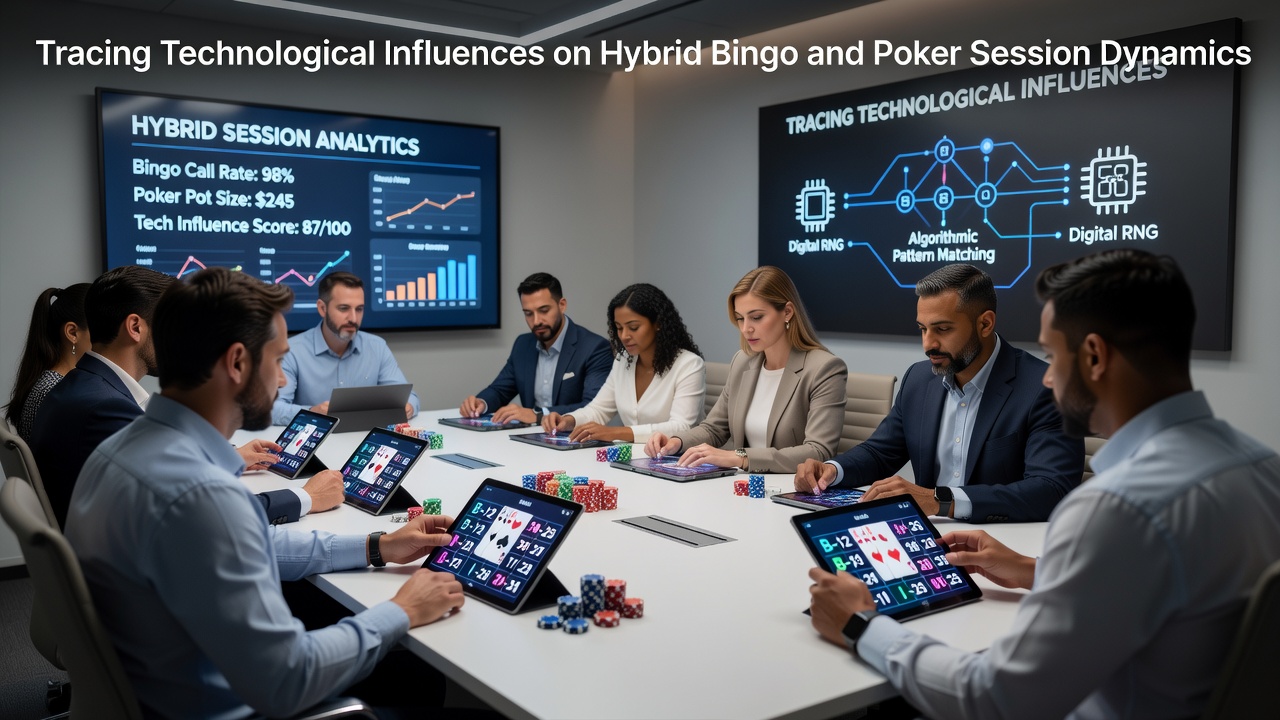
Digital Innovations Driving Hybrid Bingo and Poker Formats
Hybrid bingo and poker sessions combine elements from both games into single platforms where players alternate between number matching and card ranking mechanics, and technology has altered how these sessions unfold since the early days of online gaming platforms. Software developers integrated random number generators with live dealer feeds to create seamless transitions between rounds, while mobile applications allowed participants to join from various locations without needing physical venues. Data from industry reports shows that such integrations increased session lengths by connecting separate game types through shared user accounts and progress trackers.
Early Software Foundations
Developers in the late 1990s began adapting traditional bingo halls into digital formats using basic scripting languages that handled simultaneous player entries, yet poker rooms relied on separate client-server models for real-time betting. Observers note that companies merged these systems by the mid-2000s through unified databases that tracked player balances across both formats, which reduced downtime between rounds and allowed sessions to extend naturally. Research indicates that this shift occurred alongside broadband expansion, enabling smoother animations for card draws and number calls without the lag that previously disrupted flow.
Mobile and App-Based Changes
Smartphone adoption introduced push notifications and touch-based interfaces that let users switch between bingo grids and poker hands within the same application window, while cloud servers synchronized results across devices. Those who analyzed usage patterns found that hybrid sessions became more frequent during evening hours because apps maintained state even when users paused to handle other tasks. According to figures from the Nevada Gaming Control Board, mobile hybrid titles accounted for a growing share of registered play by 2024, reflecting how location services and geofencing directed players toward available tables without manual searches.
Artificial Intelligence and Session Adaptation
Algorithms now monitor betting speeds and number selection tendencies to adjust difficulty levels or suggest hybrid variants, such as poker hands that incorporate bingo-style multipliers during community draws. Studies from academic institutions reveal that these adjustments maintain engagement by balancing wins across both game elements rather than favoring one over the other. Machine learning models process thousands of historical sessions to predict peak times, which operators use to schedule events that blend quick bingo rounds with extended poker tournaments. In August 2026, platform updates incorporated voice recognition features that allowed spoken bets during poker segments while numbers continued to appear on shared screens, reducing the need for separate input methods.
Live streaming technology further connected remote players through video overlays that displayed both bingo boards and poker community cards, creating a shared visual space similar to physical mixed-game nights. External services provided secure identity verification that complied with regional standards, allowing cross-border participation in regulated environments.
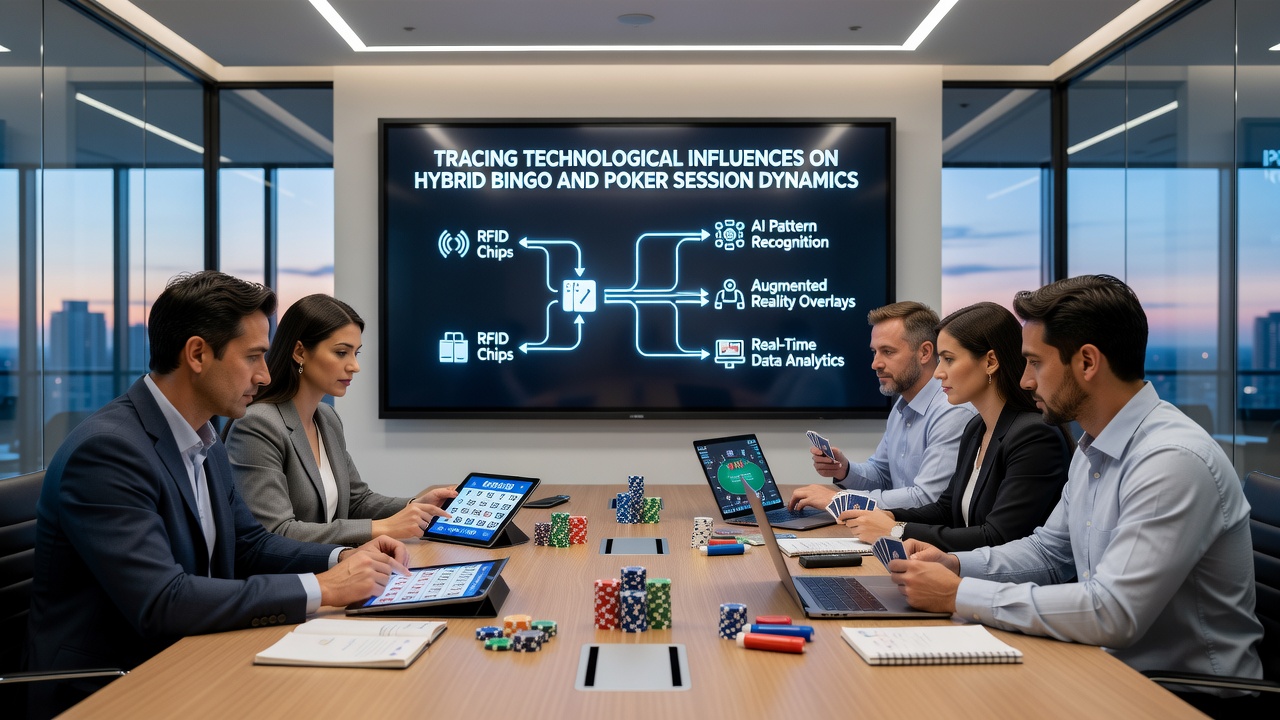
Blockchain and Transaction Tracking
Distributed ledger systems record every bet and payout in hybrid sessions, which creates transparent histories that players can review without contacting support teams. Canadian regulatory bodies have examined how these ledgers support audit trails for combined game types, ensuring that prize pools from bingo entries fund poker side bets correctly. Observers note that smart contracts automate bonus distributions when certain bingo patterns trigger poker hand upgrades, eliminating manual claims that once interrupted session momentum. Data shows that transaction confirmation times dropped below five seconds on optimized networks, keeping the pace consistent between game switches.
Future Integration Trends
Virtual reality headsets began testing environments where users sit at digital tables that display bingo numbers floating above poker felt, with hand tracking replacing button presses for actions. Research institutions have published papers on how haptic feedback enhances the sensory distinction between drawing a bingo number and revealing a poker card, which helps maintain focus during longer sessions. European trade groups compiled statistics indicating steady adoption of these tools among operators who already run hybrid formats, with projections extending through 2027 based on hardware cost reductions.
Conclusion
Technological layers from random generators to immersive displays have shaped how hybrid bingo and poker sessions progress by linking separate mechanics into continuous experiences. Players encounter fewer interruptions as systems handle transitions automatically, and data collection supports ongoing refinements in game balance. Regulatory frameworks in multiple regions continue to adapt alongside these tools, focusing on verification and fairness protocols that apply equally to both game elements.