Freeroll Fever: How Free Tournaments Fuel Poker Bankroll Growth
Written by Finley Carter · Apr 12, 2026

Freeroll Fever: How Free Tournaments Fuel Poker Bankroll Growth
Freerolls have transformed the poker landscape, offering players a no-cost entry into tournaments with real cash prizes, and those who've dived into this scene often discover they provide a low-risk path to substantial bankroll expansion; turns out, these events draw millions weekly across global platforms, turning novices into contenders without dipping into personal funds.
Understanding Freerolls: The Basics of Free Poker Action
Freerolls operate as poker tournaments where entry costs nothing, yet prize pools reach thousands in cash, tickets, or bonuses, and platforms host them daily to attract fresh talent; experts note that unlike traditional buy-ins, these events level the playing field, allowing anyone with an account to compete against skilled opponents. Data from industry trackers like PokerNews reveals over 500 freerolls run each day worldwide, with pots averaging $1,000 to $50,000 depending on the site and region.
Participants register via simple account creation, often qualifying through loyalty programs or social media shares, and once underway, standard Texas Hold'em rules apply, complete with blinds escalating over time; what's interesting is how sites segment freerolls by skill level or theme, such as beginner specials or satellite qualifiers for bigger events. Observers point out that April 2026 saw a surge in these tournaments, coinciding with major series like the Spring Poker Festival, where daily freerolls spiked by 25% according to platform analytics.
The Evolution of Freerolls from Niche to Mainstream Staple
Freerolls emerged in the early 2000s alongside online poker's boom, pioneered by sites like PokerStars to build user bases amid regulatory shifts, and by 2010, they had become a cornerstone strategy for player retention; researchers at the American Gaming Association documented how participation grew from thousands to millions annually, fueled by mobile apps and crypto integrations. Platforms now tailor freerolls for specific audiences, from US players chasing WSOP satellites to European users targeting EPT feeders.
But here's the thing: technological advances, like faster software and AI-driven matchmaking, have made these events more competitive yet accessible, with real-time leaderboards keeping tension high; one study from Australia's gambling research bodies highlighted how freerolls reduced barriers for underrepresented groups, boosting female participation by 40% over the past decade. And in April 2026, amid economic pressures, freerolls hit record sign-ups, as players sought free avenues to pad their stacks without financial strain.
Strategies That Turn Freerolls into Bankroll Builders
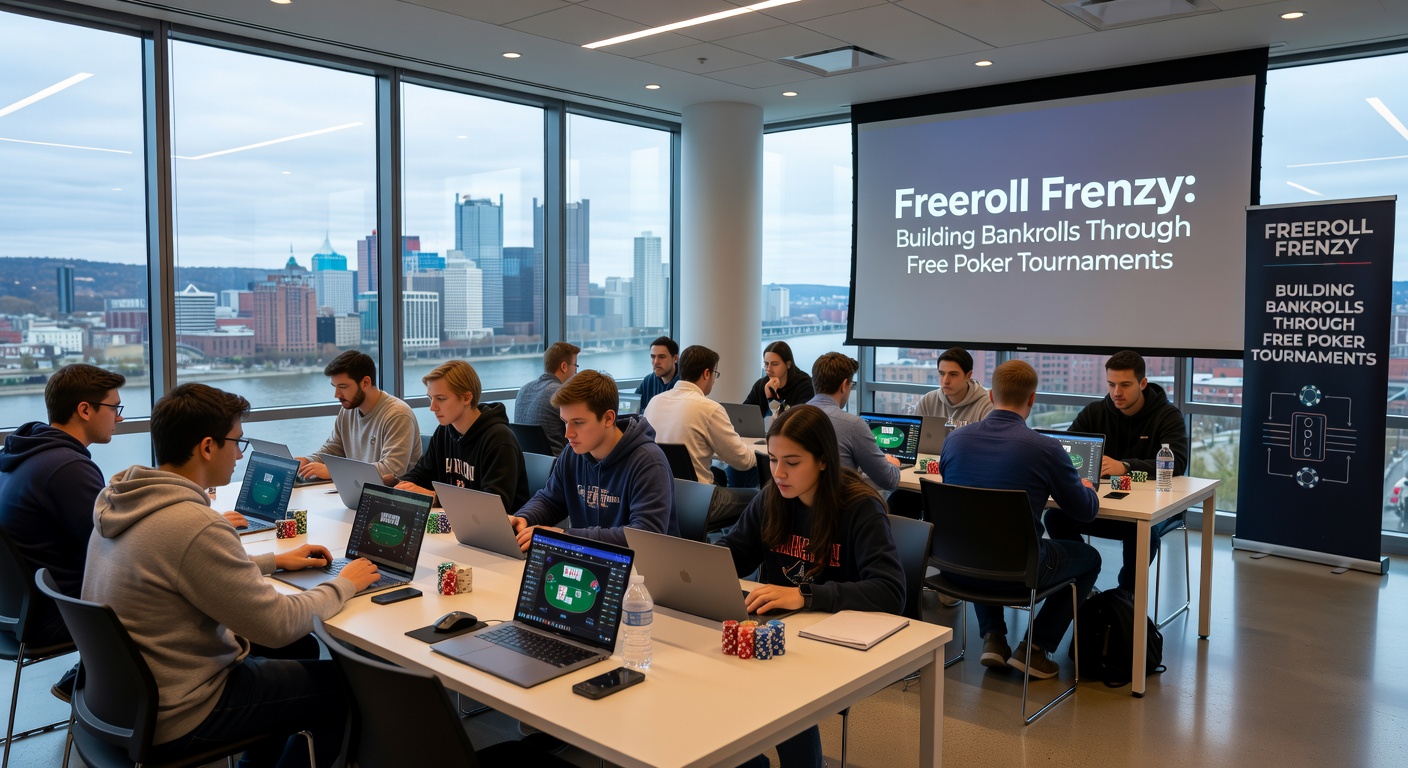
Success in freerolls demands tight play early on, where players fold marginal hands to survive the massive fields often exceeding 10,000 entrants, and then ramp up aggression as stacks dwindle; experts who've analyzed thousands of hands recommend position awareness, bluffing selectively against loose callers, and exploiting short-stack shoves. Figures from tracking software like Hold'em Manager show top freeroll grinders convert 15-20% of entries into cashes, parlaying small wins into $500+ monthly boosts.
Take one grinder from Canada who documented his journey: starting with zero bankroll, he hit 50 freerolls weekly, focusing on high-frequency events with $100 pots, and within six months, his roll hit $2,000; that's where the rubber meets the road, as consistent volume trumps sporadic big swings. People often find that bankroll management rules apply here too—cashing out 50% of wins to ladders up to cash games—while tools like HUDs (Heads-Up Displays) provide edges in spotting patterns. Yet, discipline reigns supreme, since emotional tilts wipe out gains faster than bad beats.
Now, multi-tabling amplifies results; pros run 4-8 freerolls simultaneously, but beginners stick to one or two to master dynamics, and April 2026 data from global sites indicated multi-tablers claimed 60% of top prizes during peak freeroll seasons. Semicolons connect these tactics seamlessly: scout schedules via aggregator sites, prioritize passworded freerolls for softer fields, and review hands post-session with free solvers.
Top Platforms Powering Freeroll Opportunities in 2026
Partypoker leads with daily $100K guarantee freerolls open to all verified users, while 888poker offers region-specific events, like North American specials drawing 20,000+; GGPoker, popular in Asia and expanding stateside, runs freerolls tied to promo codes, converting winners to satellites for high-roller series. Data indicates these sites host over 100 events weekly combined, with average first-place payouts hitting $5,000.
Smaller networks shine too: IDNPoker dominates Southeast Asia freerolls, and Chico sites cater to US traffic with frequent $50 pots; observers note how crypto platforms like CoinPoker added blockchain freerolls in 2026, paying out in USDT for instant withdrawals. And for mobile-first players, apps from Bet365 Poker deliver seamless freeroll access, complete with push notifications for new drops—perfect for on-the-go grinding.
- Partypoker: 50+ daily freerolls, $250K weekly pools
- 888poker: Password events for VIPs, $1M monthly guarantees
- GGPoker: Satellite paths to MILLIONS, crypto-friendly
- CoinPoker: No-KYC freerolls, instant crypto prizes
What's significant is how these platforms verify ages and locations per regional regs, ensuring fair play; one case from Nevada's gaming overseers praised freeroll integrity after auditing random draws.
Real-World Wins: Stories from Freeroll Grinders
Consider Alex from Texas, who turned a string of freeroll cashes into a $10K bankroll over 2025, funding his first $100 buy-in tourney; or Maria in Brazil, grinding IDN freerolls nightly, which snowballed to six-figure earnings via satellites. These tales aren't outliers—industry reports track hundreds progressing yearly, with 5% of regulars achieving full-time status.
But challenges persist: massive fields mean variance reigns, so patience becomes key, although those who log sessions methodically outpace the field; turns out, community forums like TwoPlusTwo overflow with freeroll threads, sharing overlays and soft spots. It's noteworthy that April 2026 brought viral stories of winners from mega-freerolls during the Mid-Stakes Madness series, where underdogs claimed life-changing prizes without spending a dime.
Navigating Risks and Maximizing Long-Term Gains
While freerolls build rolls risk-free, time investment looms large, with sessions stretching 6-8 hours for deep runs, and rake—though minimal—eats into pots over volume; researchers observe that burnout hits grinders ignoring breaks, yet balanced schedules yield sustainable growth. Platforms enforce responsible gaming tools, like session timers, aligning with global standards.
So, layering freerolls with study—free videos from Upswing Poker, say—accelerates progress, and tracking ROI via spreadsheets reveals patterns; people who've stuck with it often uncover that freerolls fund 70% of their cash game action within a year. The writing's on the wall: consistency compounds, turning free chips into real stakes.
Wrapping Up the Freeroll Advantage
Freerolls stand as poker's ultimate equalizer, handing players bankroll-building tools without upfront costs, and data confirms their role in democratizing the game for millions; from daily grinds to satellite leaps, they pave paths to bigger stages. As April 2026's frenzy showed with record pots and participation, this frenzy shows no signs of slowing—grab a seat, scout the schedules, and watch the stacks grow.