From Trackside Traditions to App-Based Wagers: The Journey of Equine Competition Betting
Written by David Becker · Aug 2, 2026
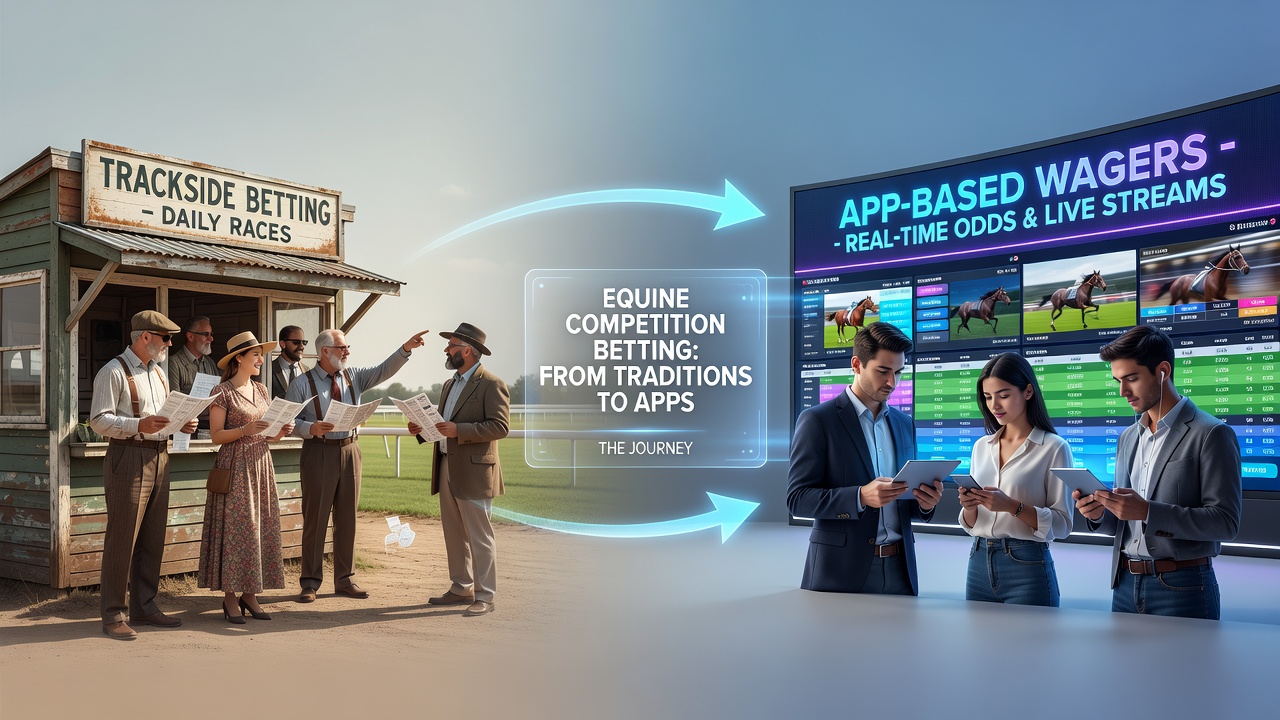
From Trackside Traditions to App-Based Wagers: The Journey of Equine Competition Betting
Equine competition betting began at racetracks where spectators watched horses compete and placed wagers directly with on-site bookmakers who recorded odds on boards while cash transactions occurred in person, and this practice formed the foundation of organized horse racing gambling across many regions for generations.
Trackside Origins and Early Systems
Bookmakers operated at venues throughout the 19th and early 20th centuries, calling odds aloud as crowds gathered around betting rings, while parimutuel systems later emerged in places like the United States to pool wagers and distribute payouts based on total stakes after deductions, which reduced some risks for individual operators and standardized processes at major events. Data from industry reports shows that these methods relied on physical presence, with bettors needing to attend meetings in person to participate, and records indicate steady growth tied to popular race days that drew large attendances.
Regulations in various countries shaped how these activities developed, for instance the Alcohol and Gaming Commission of Ontario has overseen aspects of wagering integrity in its jurisdiction since the 1990s, ensuring fair play through licensing requirements that applied to both tracks and associated services.
Transition to Telephone and Off-Track Options
Telephone betting services appeared mid-century and allowed registered clients to place wagers remotely by calling dedicated lines, which expanded access for those unable to travel to tracks while maintaining account-based verification to comply with rules in regulated markets. Observers note that this shift coincided with broader communication advancements, and participation figures rose accordingly in areas where such services received approval from local authorities.
Off-track betting facilities opened in several jurisdictions during the same period, providing dedicated locations where people could view races via broadcasts and submit bets without attending the actual event, and these outlets often operated under strict licensing that required detailed record-keeping to prevent unauthorized activity.
Digital Platforms and Mobile Applications Emerge
Online platforms entered the scene in the late 1990s and early 2000s once internet infrastructure improved, enabling users to access equine betting markets through websites that displayed real-time odds and allowed account funding via electronic methods, while security protocols evolved to protect transactions and user data. Research indicates that mobile applications accelerated this change after smartphones became widespread, since apps delivered convenient interfaces for placing wagers on races worldwide from any location with connectivity.

By August 2026 summer racing calendars continued to attract substantial volumes through these digital channels, with operators reporting increased activity during evening meets that aligned with peak mobile usage times. Industry organizations such as the National Thoroughbred Racing Association have tracked these patterns and noted how apps integrate features like live streaming and instant notifications that keep users engaged throughout race cards.
Geographic differences appear in adoption rates, whereas markets in Australia saw early integration of app-based systems supported by organizations like Racing Australia that publish annual wagering statistics demonstrating consistent year-over-year growth in digital channels compared with traditional methods.
Regulatory Developments Across Regions
Government bodies outside the United Kingdom have adapted frameworks to cover app-based equine betting, for example authorities in several Australian states maintain oversight through dedicated racing commissions that enforce responsible gambling measures and audit platform operations for compliance. In North America, state-level agencies in the US have introduced rules addressing mobile wagering on horse races as part of broader sports betting legislation passed in recent years.
These regulations often require age verification, transaction limits, and reporting mechanisms that operators must implement within their applications, and data compiled by research institutions shows that such measures correlate with stable participation levels in licensed environments. What's interesting is how technology has allowed regulators to monitor activity more precisely than in earlier trackside eras when oversight depended largely on physical inspections.
Current Landscape and Technological Integration
Contemporary equine betting apps combine multiple data streams including past performance records, jockey statistics, and track conditions into user dashboards, while algorithms assist in displaying personalized options based on previous activity patterns without guaranteeing outcomes. Observers note that integration with wearable devices and augmented reality features has begun appearing in some platforms, allowing bettors to visualize race scenarios through their phones during live events.
Participation continues across both casual and dedicated audiences, with figures from various sources revealing that digital methods now account for the majority of handle in many mature markets where regulations permit such operations. Those who have examined industry reports highlight that security enhancements, including encryption and multi-factor authentication, have become standard to maintain trust in app environments.
Conclusion
The progression from trackside cash exchanges to sophisticated mobile applications reflects broader technological and regulatory shifts that have reshaped how people engage with equine competition betting, and this evolution continues as new tools emerge while established oversight structures adapt to maintain integrity across jurisdictions. Data from multiple regions demonstrates sustained interest supported by both traditional events and digital accessibility.