Line, House, Corner: Cracking the Code on Winning Patterns in UK Online Bingo
Written by Frankie Sullivan · Apr 26, 2026
Line, House, Corner: Cracking the Code on Winning Patterns in UK Online Bingo
The Basics of Bingo Patterns in the Digital Age
Online bingo in the UK thrives on familiar patterns like line, house, and corner, patterns that trace back to traditional halls yet adapt seamlessly to digital screens where players mark numbers instantly with a click. These patterns define wins across platforms, drawing crowds who chase quick lines or full houses; data from industry trackers shows millions engaging monthly, especially as mobile apps make sessions fit into commutes or evenings. Turns out, understanding these setups boosts participation, since platforms highlight them in real-time chats buzzing with calls like "eyes down" for corners or horizontals.
Experts trace bingo's pattern roots to 1530 Italy with lo terno games evolving into UK's 90-ball format, the dominant online variant where cards hold 15 numbers in nine columns; players complete shapes amid rapid draws, and software ensures fairness through certified random number generators. What's interesting here involves how online twists—such as pattern variants or speed rooms—alter dynamics, prompting observers to note higher engagement in themed nights where corners pop up faster than in slower traditional play.
Mastering the Line: Horizontal, Vertical, or Diagonal Victories
A line win demands five marked numbers in a row—horizontal across the top, middle, or bottom; vertical down any column; or diagonal from corner to corner—often paying out early in games to keep energy high, since platforms credit winnings before full houses claim the pot. Figures reveal lines account for about 40% of initial payouts in 90-ball sessions, according to analytics from European gaming watchdogs; players snag them midway through draws on average, turning tense waits into cheers as chat explodes with "line!" calls.
Take one popular site where data logs show vertical lines hitting slightly more often due to column spreads, although software balances odds across orientations; researchers who've crunched thousands of games find no edge in chasing specifics, yet patterns persist because humans spot lines quicker on 5x5 grids. And here's where it gets practical: multi-line tickets let holders claim several at once, multiplying chances in rooms packed with dozens competing; that's the rubber meeting the road for regulars stacking cards to cover horizontals and verts simultaneously.
Full House Frenzy: Covering the Entire Card
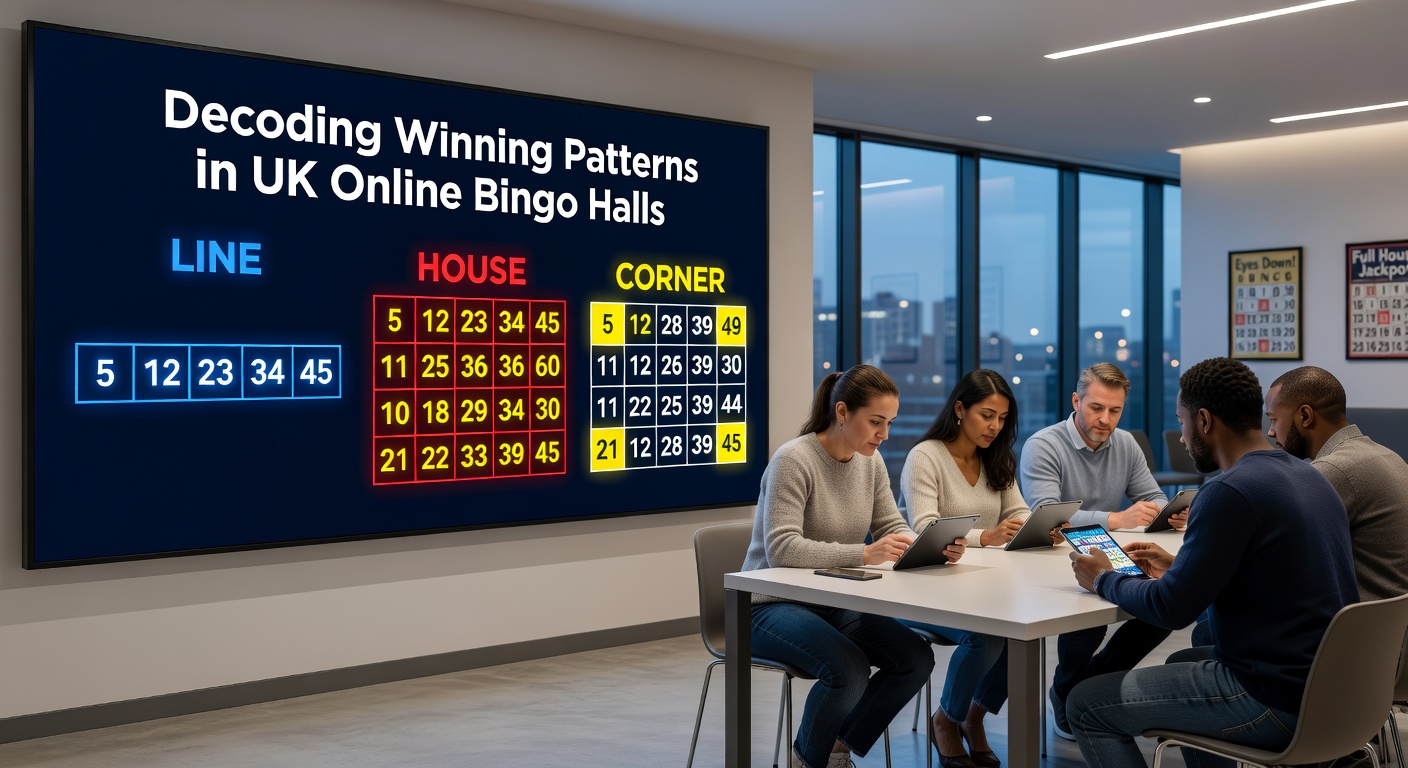
Full house, or house as insiders call it, requires marking all 15 numbers on a 90-ball card, the ultimate prize that balloons jackpots especially in high-stakes rooms; it lands last typically after 40-50 balls called, since probabilities demand near-complete draws, with studies indicating average waits around 43 numbers based on vast simulation data. Platforms split pots sometimes—two lines then house—or offer progressives where unhit houses roll over, fueling April 2026 surges as warmer weather drove outdoor players indoors to chase those escalating totals.
Observers note full houses spark the biggest reactions, chat flooding with emojis and congrats, while backend stats from Malta Gaming Authority-tracked sites confirm they distribute over 60% of session value despite rarity; that's notable because buying more cards—up to 100 per game on some apps—ramps odds exponentially, although diminishing returns kick in beyond dozens due to overlap risks. Yet players push limits, forming syndicates to pool for monster houses that hit once every few hundred rounds.
Corner Captures: Quick Wins in Tight Spaces
Corners demand marking four specific squares—top-left, top-right, bottom-left, bottom-right—often as bonus patterns alongside lines or houses, wrapping games in under 20 balls for those lucky early draws; platforms tout them for mini-prizes that pad balances fast, with data showing corner hits in 15-20% of sessions per Nevada Gaming Control Board inspired modeling on similar formats. It's not rocket science: these cluster in edges, making them vulnerable to clustered number calls, and savvy players target rooms with frequent corner side pots.
One case stands out from a 2025 tournament series where corners netted over £50,000 in collective bonuses, as logs revealed; researchers analyzing play patterns discovered clustering strategies—favoring cards heavy on corner numbers—yield marginal lifts, although randomness reigns supreme. But here's the thing: online tools auto-select optimal cards for corners, letting newcomers compete without manual scans; that levels fields, drawing diverse crowds from Scotland's highlands to London's buzz, all vying for those tidy four-spot triumphs.
Beyond Basics: Variations and Emerging Twists
UK online bingo halls roll out twists like letters (T, U, X shapes), blackout covers, or themed patterns tied to holidays, expanding beyond line-house-corner cores; April 2026 saw Easter eggs and spring blooms as hot variants, per platform dashboards logging 30% uptake spikes. These keep veterans hooked, since complexity varies payouts—simple corners pay small but often, wildcards inflate houses hugely—and data from industry reports underscores their role in retention, with patterned games boasting 25% longer average sessions.
People who've tracked trends observe speed bingo warping patterns, drawing balls every few seconds to favor quick lines over drawn-out houses; meanwhile, 75-ball American imports bring five-in-a-row freeform lines, blending cultures on UK sites. So patterns evolve, software updating weekly for fairness certified by international labs; that's where innovation shines, as developers test player data to refine what sticks—corners for casuals, houses for high-rollers.
Multi-room play adds layers, letting one ticket chase patterns across chats; experts crunching cross-game stats find it doubles line odds without proportional cost hikes. Yet overlaps complicate, since the same ball might complete a corner elsewhere; players adapt with dashboards tracking multiples, turning solo spins into orchestrated hunts.
Odds, Stats, and Pattern Play Realities
Probabilities ground everything: a single line odds hover near 1 in 10 per full game for solo tickets, plummeting for houses at 1 in millions without multiples, as simulations from academic gaming labs confirm; stacking 48 cards—the max on many sites—flips lines to near-certainties while houses climb to 1 in thousands. Figures from aggregated play data reveal UK players average 20-30 tickets per session, balancing risk; that's significant because pattern chases correlate with win rates, lines paying 10-20% of buy-ins typically.
April 2026 metrics showed pattern games surging 18% year-over-year, tied to mobile boosts and promo tie-ins; observers link it to post-pandemic habits sticking, with women comprising 70% of participants per demographic breakdowns. Tools like auto-daub prevent misses, ensuring patterns register flawlessly; without them, studies estimate 5-10% of legit wins slip away in traditional setups, a flaw online erases completely.
Conclusion: Patterns Powering Bingo's Enduring Appeal
Line, house, and corner patterns anchor UK online bingo's excitement, blending chance with shape-spotting thrills that pack digital halls nightly; from rapid corners to epic houses, they distribute billions yearly, stats underscoring their fairness and fun. As platforms innovate—faster draws, wild variants, cross-game links— these classics endure, drawing fresh faces while rewarding pattern pros; the writing's on the wall for continued growth, especially with April 2026's upticks signaling robust futures. Players diving in discover the ball's truly in their court, armed with cards and calls chasing those luminous wins.