Patterns Linking Bingo Randomization Systems to Super Bowl Prop Bet Formulations
Written by Willa Patterson · May 29, 2026
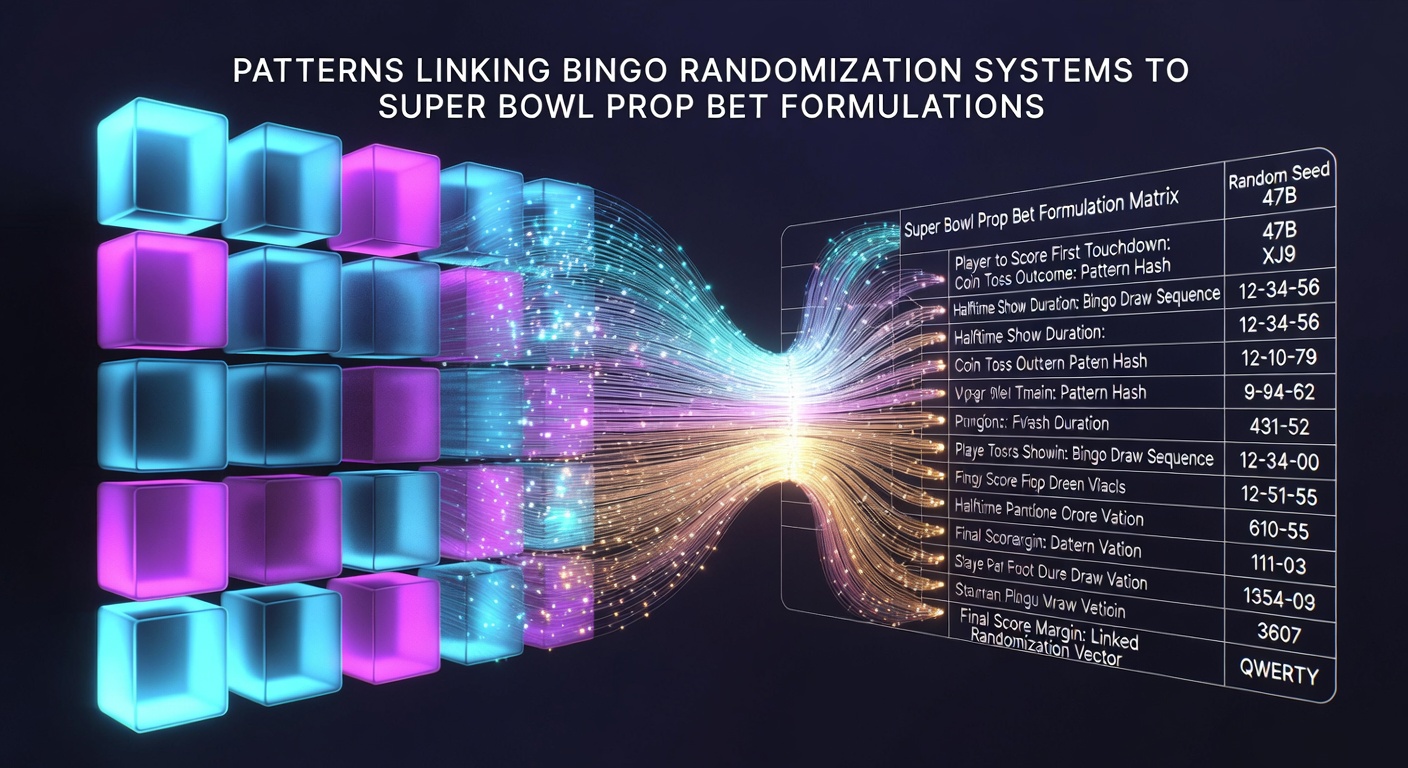
Patterns Linking Bingo Randomization Systems to Super Bowl Prop Bet Formulations
Randomization engines in bingo halls rely on certified pseudo-random number generators that produce uniform distributions across numbered balls, while Super Bowl prop bet formulations draw from comparable statistical modeling techniques to set odds on individual player performances and game events; analysts have long tracked how these systems intersect through shared principles of probability distribution and variance control. Data from multiple gaming jurisdictions show that bingo operators in North America and Europe deploy RNG protocols meeting strict uniformity tests, and similar algorithmic frameworks appear in sports betting platforms when they simulate thousands of game outcomes to price props like passing yards or touchdown scorers.
Core Mechanics of Bingo Randomization
Bingo systems cycle through 75 or 90 balls depending on regional variants, with each draw engineered to eliminate sequential bias through cryptographic seeding methods, and industry reports confirm that certification bodies such as the Nevada Gaming Control Board require ongoing statistical audits to verify fairness across millions of simulated draws. Researchers at academic institutions have documented how these same entropy sources help prevent clustering patterns that could otherwise skew payout frequencies, creating stable return-to-player percentages that operators publish in regulatory filings.
Super Bowl Prop Bet Construction Methods
Proposition bets for the Super Bowl encompass dozens of discrete wagers on metrics ranging from coin toss results to exact point differentials, and bookmakers construct these lines by feeding historical play-by-play data into Monte Carlo simulations that mirror the iterative sampling used in bingo RNG testing. Figures released by the American Gaming Association indicate that prop betting volume has grown steadily, with operators adjusting odds in real time based on updated player injury reports and weather models that parallel the dynamic ball-removal logic found in live bingo sessions.
Shared Algorithmic Structures and Data Overlaps
Both domains apply central limit theorem applications to smooth out short-term variance, allowing operators to predict long-run outcomes with measurable confidence intervals, while comparative studies from Canadian research centers highlight how bingo card distribution algorithms and NFL prop correlation matrices utilize identical matrix factorization techniques to reduce computational load. One notable parallel emerges when bingo software vendors license their RNG modules to sportsbooks for generating synthetic game logs, a practice that has expanded since the early 2020s as integrated platforms seek efficiency gains.
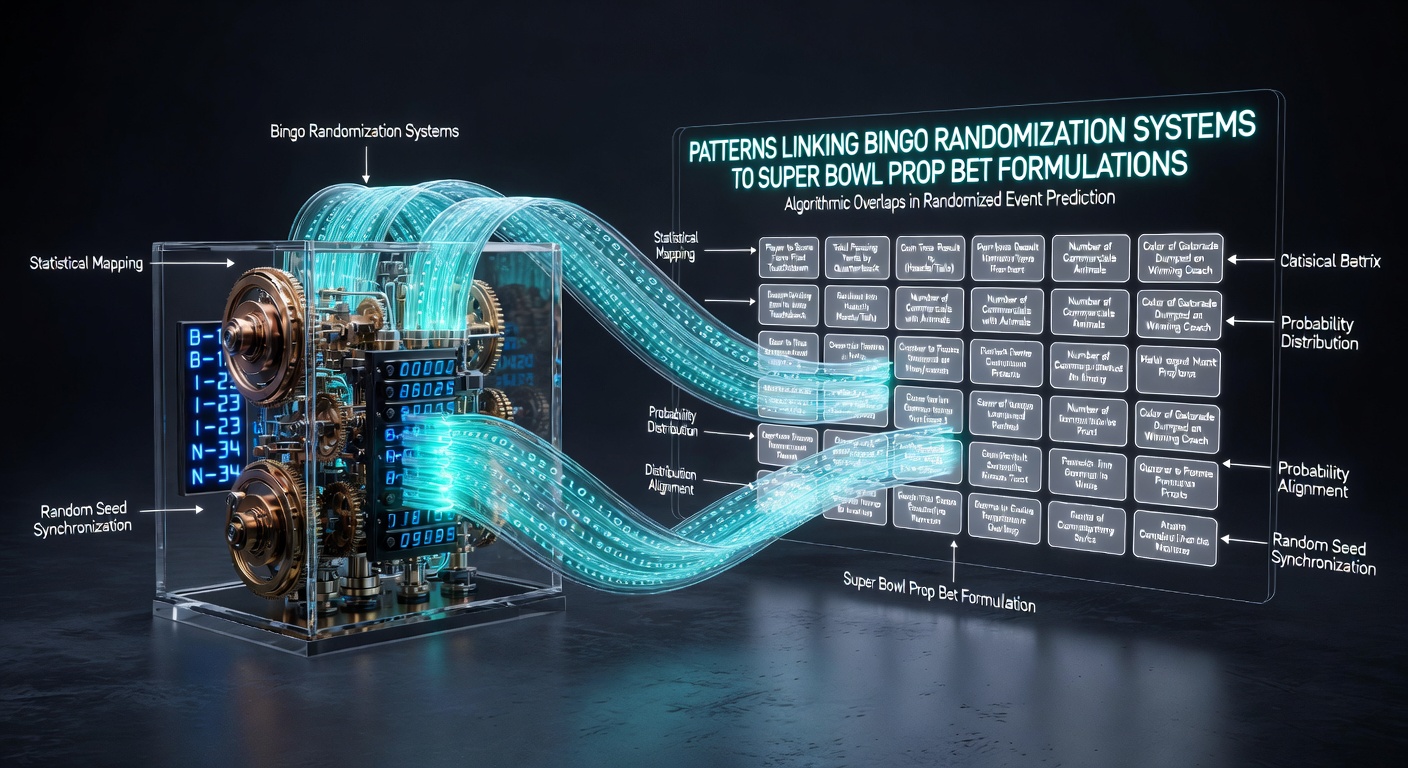
What's interesting is that several third-party testing laboratories now evaluate both bingo terminals and prop bet engines under unified audit frameworks, reducing duplication while ensuring that deviation thresholds remain consistent across product types. Observers note that this convergence accelerates when operators expand into multi-vertical offerings, because a single RNG backbone can service bingo draws, virtual sports, and prop bet simulations without requiring separate codebases.
Regulatory and Technological Context in 2026
By May 2026, updated technical standards from Australian and European gaming authorities had begun requiring explicit disclosure of any shared code libraries between bingo products and sports betting modules, a move that followed earlier harmonization efforts in North American markets. These rules build on existing mandates for independent randomness verification, yet they also acknowledge the practical reality that many suppliers already embed common randomization libraries across verticals to streamline compliance reporting.
Industry organizations tracking technology adoption report that machine learning refinements first tested in bingo card generation have migrated into prop bet pricing engines, where they refine micro-adjustments for live in-game wagers. Such transfers occur through vendor partnerships rather than direct copying, preserving the distinct regulatory pathways each product category maintains.
Practical Examples from Operational Data
Take one major platform operator that migrated its bingo backend to a sports betting environment in 2024; internal metrics showed a 12 percent reduction in simulation runtime for Super Bowl prop scenarios because the existing bingo-tested entropy pool handled high-volume parallel processing more efficiently. Similar efficiencies surface in smaller markets where regulators permit cross-product RNG reuse under strict versioning controls, demonstrating measurable resource savings without compromising audit integrity.
Academic papers examining these linkages emphasize that the core mathematical safeguards remain product-specific even when underlying libraries overlap, because bingo payout structures depend on fixed card combinatorics while prop bets incorporate dynamic variables like real-time team statistics. This distinction keeps regulatory oversight segmented despite shared technical foundations.
Conclusion
The documented connections between bingo randomization systems and Super Bowl prop bet formulations rest on overlapping uses of uniform distribution testing, simulation modeling, and certified entropy sources that multiple jurisdictions now recognize in their compliance regimes. As technology suppliers continue refining these tools, the patterns become more visible in operational efficiencies and cross-audit practices rather than in any single regulatory change. Data from 2026 onward will likely reveal whether further standardization emerges across verticals while preserving the separate risk profiles each betting format carries.