Player Shifts Between Digital Card Platforms and Seasonal Athletic Cycles in Regulated Markets
Written by Zoe Flores · Jun 26, 2026
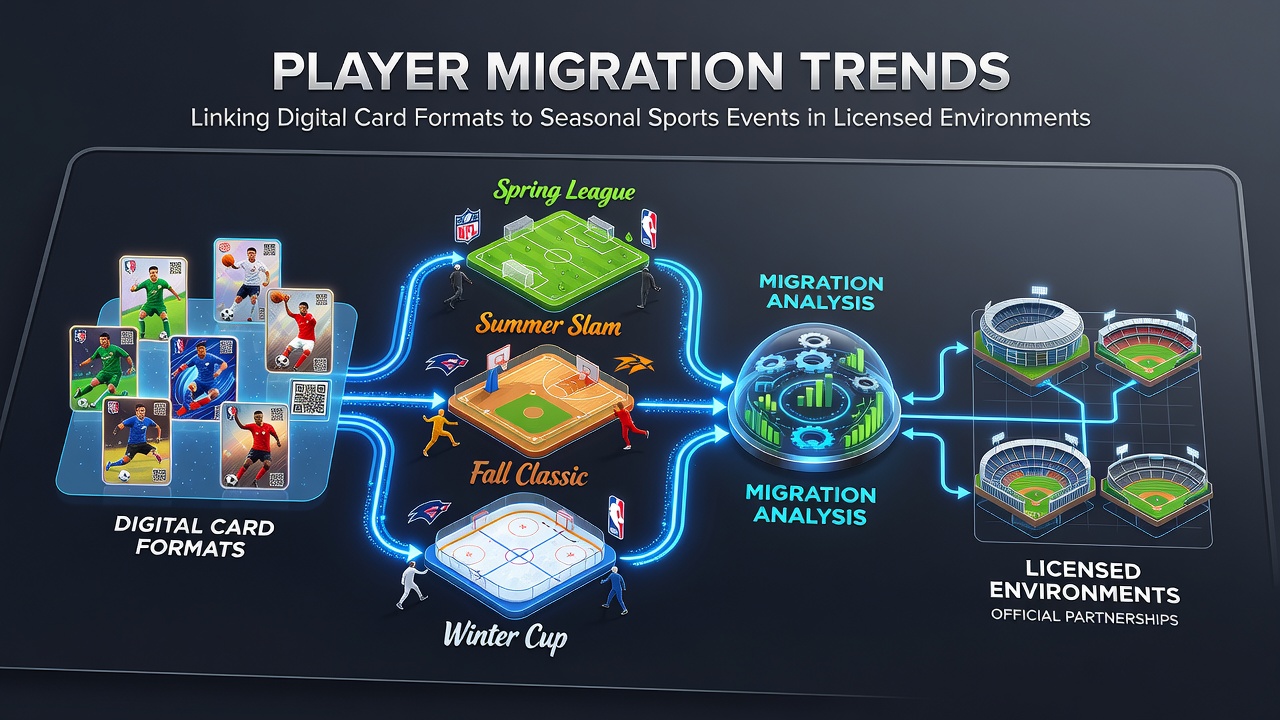
Player Shifts Between Digital Card Platforms and Seasonal Athletic Cycles in Regulated Markets
Digital card formats continue to draw users who later transition toward platforms tied to seasonal sports calendars, and researchers tracking these movements have identified recurring patterns across multiple licensed jurisdictions. Data from 2025 shows measurable upticks in cross-platform activity that align with major league schedules rather than isolated gaming peaks, while June 2026 marks the midpoint of several off-season migration windows where participants explore sports-linked card environments after winter and spring competitions conclude.
Core Elements of Digital Card Formats in Licensed Settings
Digital card formats operate through licensed operators that maintain compliance with regional gaming statutes, and these systems typically feature collectible, trading, or strategic mechanics that reward consistent engagement. Licensed environments enforce age verification, transaction limits, and responsible play tools that shape how users interact with both standalone card titles and those integrated with live sports data feeds. Observers note that participation metrics rise when card formats incorporate real-time elements drawn from basketball, soccer, or baseball seasons, creating natural bridges between virtual collection activities and event-based betting or fantasy modules.
Seasonal Sports Events as Migration Catalysts
Seasonal sports events trigger distinct migration waves because they supply fresh statistical inputs that card platforms can layer onto existing user libraries. Summer periods, including June 2026, coincide with baseball season intensity in North America alongside European football transfer windows, prompting users to shift focus from winter-dominant card games toward titles that mirror current athletic calendars. Figures released by the American Gaming Association indicate that cross-format engagement increases by double-digit percentages during these transitional months, driven by overlapping user bases that maintain accounts across multiple regulated services.
Platform operators respond by adjusting content drops and promotional structures to capture these shifts, and studies conducted through the University of Nevada Gaming Research Center reveal that users who begin in pure digital card ecosystems often expand into sports-tied modules once seasonal data becomes available. The connection proves strongest in markets where single licenses cover both card gaming and sports wagering, reducing friction for account holders exploring new formats.
Documented Migration Patterns Across Regions
Migration data collected over the past three years demonstrates consistent directional flows rather than random fluctuations. Users frequently initiate activity in strategic card environments during off-peak sports months, then migrate toward formats that emphasize roster building or prediction mechanics once leagues resume play. Canadian regulatory filings show similar patterns, with participation in digital card titles declining modestly as hockey and basketball seasons advance and corresponding sports-card hybrids gain traction.
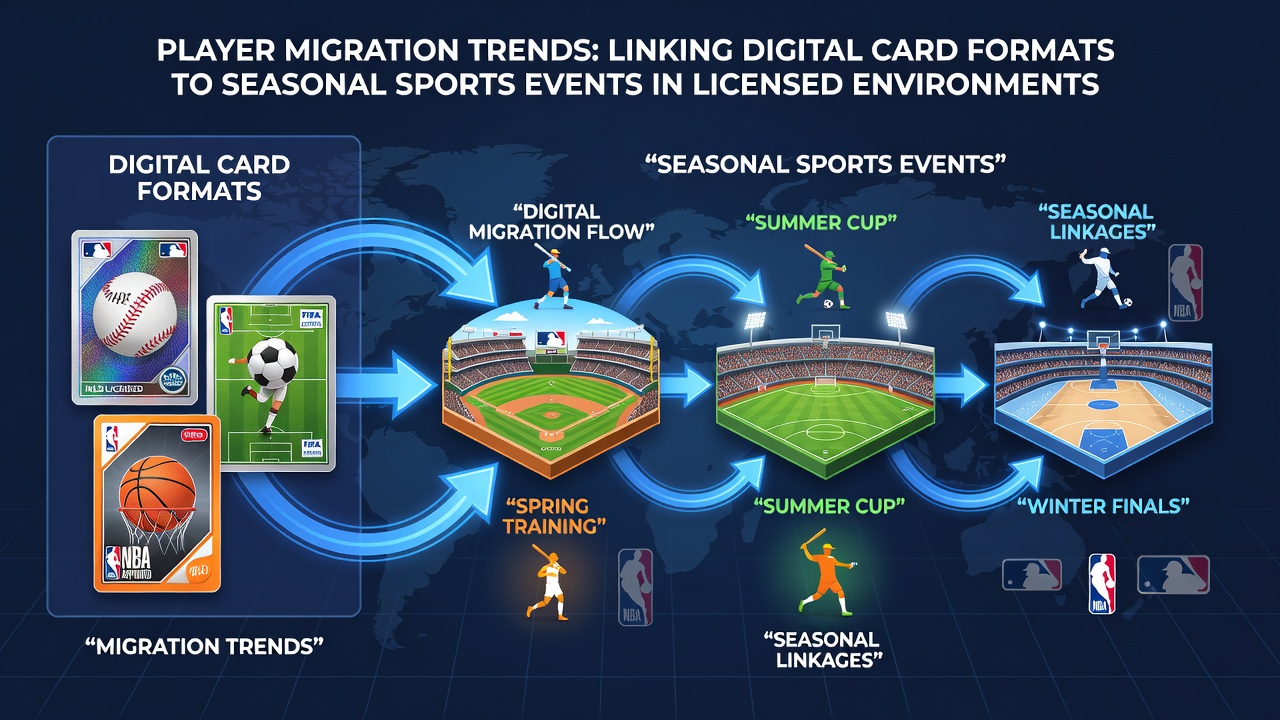
European markets present parallel trends, though timing differs due to varying league calendars; research compiled by the European Gaming and Betting Association highlights that migration intensity peaks around major tournament starts rather than regular season openings. In each case, licensed operators track these movements through anonymized account data that reveals session length changes and deposit pattern adjustments coinciding with sports milestones.
Regulatory and Operational Influences on Trends
Regulatory frameworks shape the pace and visibility of these migrations because licensing conditions determine which card formats may integrate sports data streams. Jurisdictions that permit combined offerings see smoother transitions, whereas segmented licensing creates additional steps that some users bypass by maintaining separate accounts. Operational decisions around API integrations and data licensing further influence whether card platforms can deliver timely seasonal content that retains users who might otherwise migrate externally.
June 2026 represents a notable checkpoint because multiple licensing renewals and compliance audits occur around this period, potentially affecting how operators structure their seasonal offerings. Analysts tracking these developments expect continued alignment between card format updates and sports calendars as data-sharing agreements expand under existing regulatory oversight.
Conclusion
Player migration trends connecting digital card formats to seasonal sports events reflect structural alignments within licensed environments rather than isolated user preferences. Data gathered across North American and European markets demonstrates that these movements follow predictable calendar-based rhythms, with June 2026 serving as one of several annual transition points. Regulatory bodies and academic researchers continue to monitor these patterns through aggregated metrics that inform future licensing and compliance approaches, while operators adjust platform features to accommodate the documented flows between formats.