Player Transition Patterns from Bingo to Event Wagering Markets
Written by Willa Patterson · Aug 25, 2026
Player Transition Patterns from Bingo to Event Wagering Markets
Player activity often begins in structured bingo environments where regular sessions create predictable routines, and these habits frequently expand into larger wagering opportunities tied to major sporting calendars and special events. Data from industry reports indicate that participants in bingo sessions show measurable increases in engagement with event-based markets during peak seasons, particularly when overlapping calendars create natural crossover points.
Bingo Sessions as Consistent Starting Points
Bingo platforms maintain steady participation through scheduled games that appeal to broad demographics, and operators track session lengths alongside repeat visits which establish baseline behaviors. Researchers at academic institutions have documented how these routines encourage familiarity with digital interfaces, payment systems, and promotional structures that later support transitions into more variable betting formats. In regions such as parts of North America, participation metrics reveal bingo users represent a stable segment that gradually tests adjacent products when major events approach.
Pathways Toward Major Event Wagering
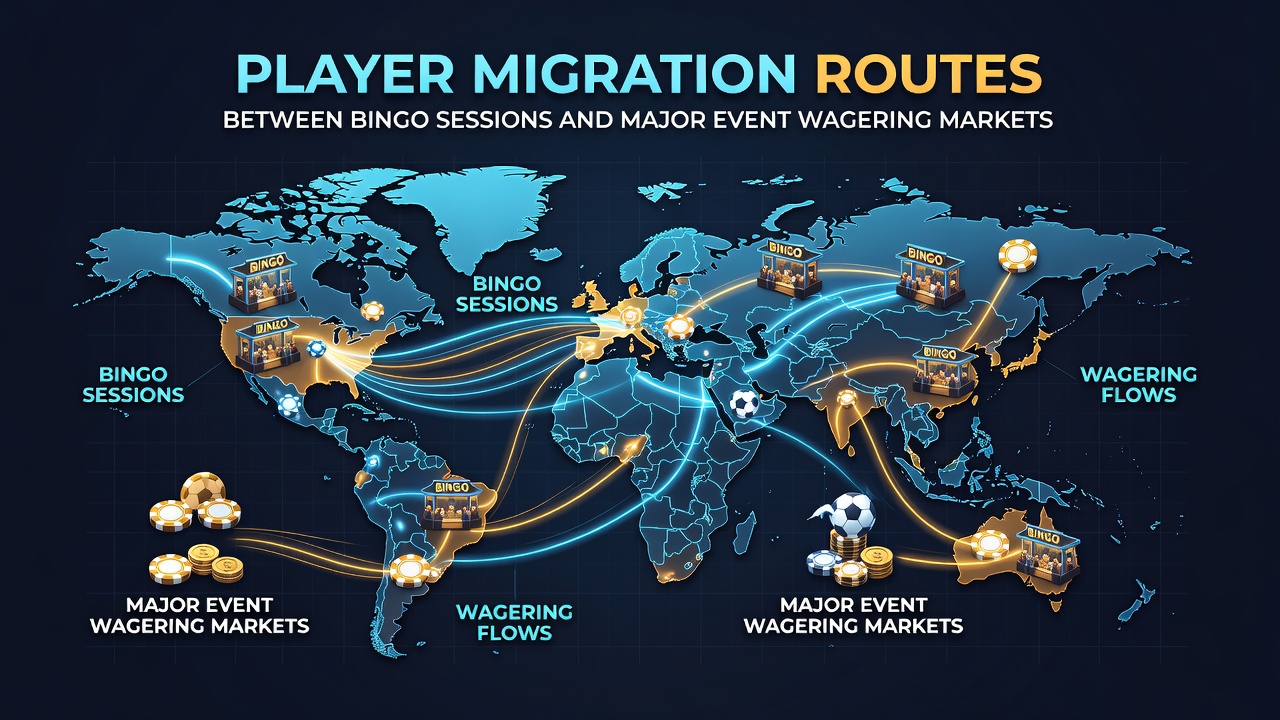
Transitions occur when bingo players encounter cross-promotions during high-profile competitions, and operators integrate event-specific odds or accumulators into existing user dashboards. Studies from regulatory bodies including the Nevada Gaming Control Board highlight seasonal spikes where bingo account activity correlates with increased wagers on football, racing, and international tournaments. These routes typically follow digital navigation patterns where users move from lobby interfaces to dedicated event sections within the same platform ecosystem, reducing friction during the shift.
Key Influences on Migration Timing
Calendar overlaps play a central role, since bingo sessions scheduled near major fixtures allow players to explore parallel options without leaving familiar environments, and data indicates higher conversion rates when events coincide with established bingo times. Economic factors such as prize structures and bonus mechanics further guide decisions, while geographic differences emerge clearly in markets like Australia where local regulations shape how operators present event betting alongside traditional games. August 2026 saw particular activity around pre-tournament preparations for several international competitions, with platforms reporting elevated session-to-wager flows during that period according to aggregated operator disclosures.
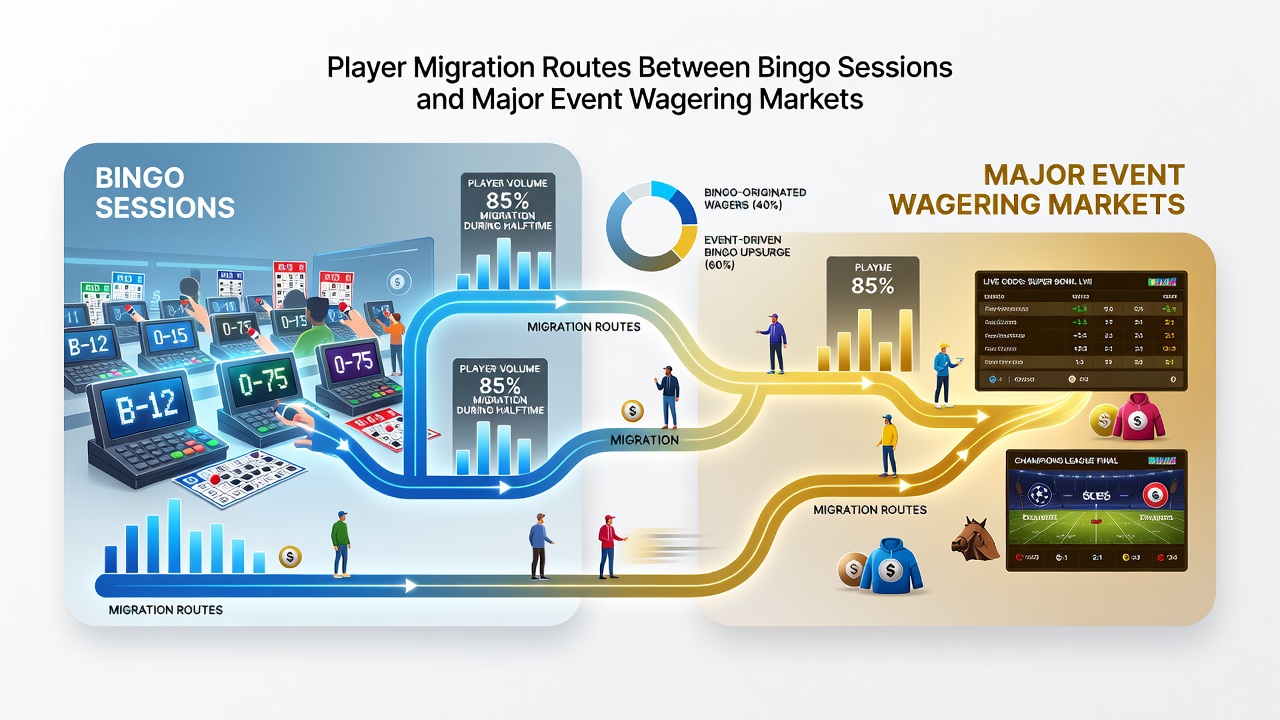
One analysis from European gaming associations tracked user journeys across multiple jurisdictions and found that promotional timing, rather than game type alone, determined whether bingo participants extended their activity into event markets. Retention tools such as loyalty points transferable across product verticals accelerated these movements, creating measurable corridors of activity that operators now monitor through session analytics.
Regional Data and Platform Behaviors
Canadian provincial regulators have published participation statistics showing bingo-to-event transitions concentrated around hockey playoffs and international soccer windows, whereas Australian market reviews note stronger links during horse racing carnivals. Platform design influences directionality too, since integrated wallets and single sign-on features allow seamless movement between game types without additional verification steps. Industry research papers from university-affiliated centers confirm these patterns persist across both desktop and mobile channels, although mobile sessions demonstrate faster migration speeds due to push notification prompts tied to live events.
Conclusion
Player migration between bingo sessions and major event wagering markets follows observable routes shaped by scheduling, interface design, and regional regulations. Aggregated figures from multiple oversight bodies demonstrate consistent seasonal correlations, and operators continue refining cross-product pathways to accommodate these documented behaviors without altering core participation structures.