Retention Patterns on Multi-Game Platforms When Major Sports Seasons Peak
Written by Frankie Sullivan · Aug 11, 2026
Retention Patterns on Multi-Game Platforms When Major Sports Seasons Peak
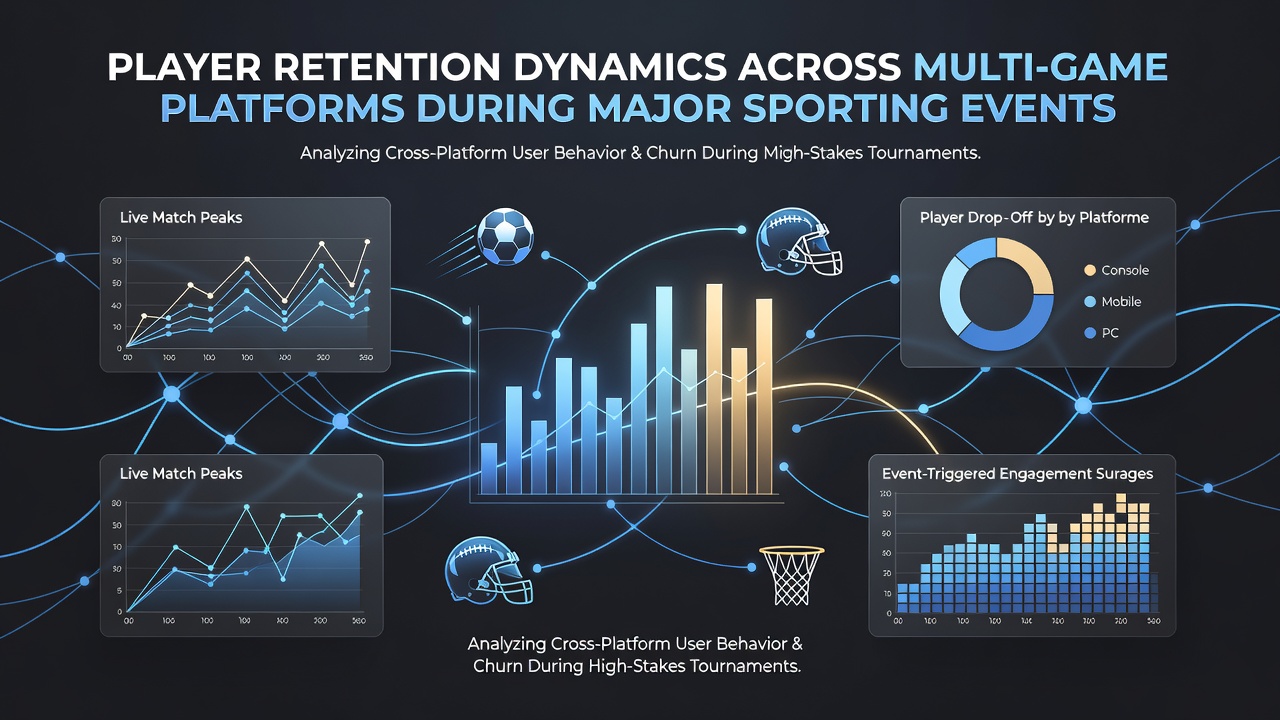
Multi-game platforms combine poker rooms, casino titles, and sports betting sections under one account system, and these networks see distinct shifts in player activity when major athletic competitions dominate schedules. Data from industry reports show that traffic to sports betting modules rises sharply during events such as the Super Bowl or international soccer tournaments, yet operators work to channel some of that attention back toward other verticals to maintain overall session lengths and account activity levels.
Event-Driven Traffic Redistribution
During peak sports periods, players often migrate toward live betting interfaces because real-time odds and match updates create immediate engagement opportunities. Platforms respond by adjusting cross-promotions that highlight casino or poker rooms at moments when live betting volumes slow, for example between quarters or at half-time. Research from the American Gaming Association indicates that such timed prompts can lift secondary game participation by measurable margins without reducing the primary sports focus.
August 2026 presents a quieter window following several summer competitions, and analysts note that platforms use this interval to test retention mechanics such as loyalty point multipliers on non-sports titles. Those who have tracked user cohorts across multiple seasons observe that accounts active in both sports and casino sections during the prior months show higher return rates once the next major event cycle begins.
Technical Features Supporting Continuity
Unified wallets and shared loyalty programs allow players to move funds and progress across verticals without separate logins or bonus resets. When a live sports event ends, push notifications can direct users to ongoing poker tournaments or slot features that match similar risk profiles. Operators have documented that seamless balance transfers reduce friction and keep daily active user counts stable even when one vertical experiences natural post-event dips.
Comparative Retention Metrics
Studies compiled by the Australian Gambling Research Centre reveal that platforms offering integrated progress tracking retain users at higher rates across event cycles compared with single-vertical sites. Metrics track repeat logins, average session duration, and deposit frequency over thirty-day windows surrounding major fixtures. Figures show modest but consistent gains in cross-vertical play when reward structures align, for instance by converting sports betting points into casino free spins at fixed exchange rates.
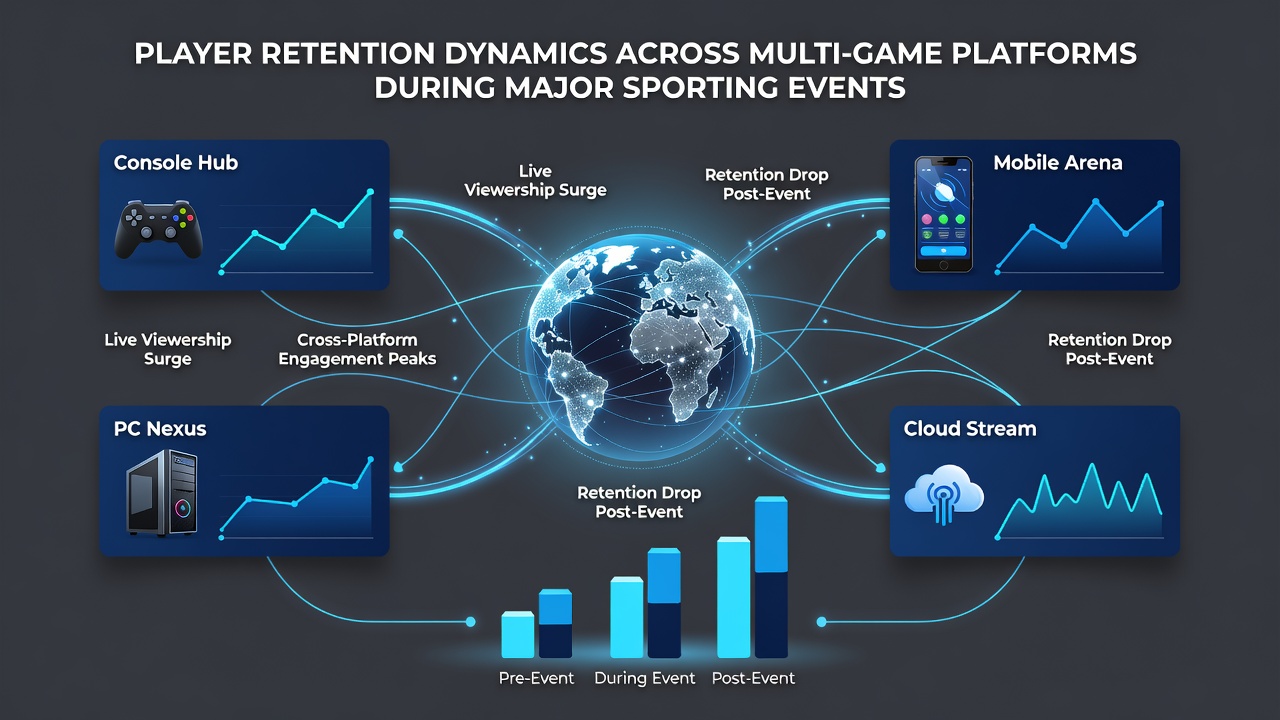
One documented case involved a North American operator that introduced event-specific leaderboards spanning poker cash games and sports accumulators. Participants who joined both segments maintained accounts longer than those limited to sports betting alone, according to internal cohort analysis shared with regulatory reviewers. Similar patterns appear in European markets where multi-license holders operate under frameworks overseen by the Malta Gaming Authority and comparable bodies.
Behavioral Triggers and Platform Adjustments
Player logs indicate that engagement drops most noticeably in the hours immediately after a championship concludes. Operators counter this by launching time-limited casino tournaments or poker sit-and-gos that begin within that window. The timing leverages residual attention from the sports event while introducing new objectives that extend overall platform time. External data from academic reviews at institutions such as the University of Nevada, Reno, support the observation that diversified game access correlates with steadier retention curves.
Geographic differences also surface in the data. Markets with year-round sports calendars exhibit smaller swings, whereas regions tied to seasonal leagues show sharper spikes followed by clearer troughs. Platforms adapt by varying bonus structures seasonally, and those adjustments appear in aggregated reports released by trade associations covering multiple jurisdictions.
Conclusion
Multi-game platforms manage retention during major sporting events through integrated account features, timed promotions, and cross-vertical reward systems. Available metrics from regulatory and research sources demonstrate measurable effects on session continuity and repeat visits when these elements function together. Continued monitoring across different event cycles, including quieter periods such as August 2026, provides operators with further data points for refining these approaches.