Tactical Transfers: Poker Tournament Experience Shaping Horse Race Betting Among Enthusiasts
Written by Zoe Flores · Jun 30, 2026

Tactical Transfers: Poker Tournament Experience Shaping Horse Race Betting Among Enthusiasts
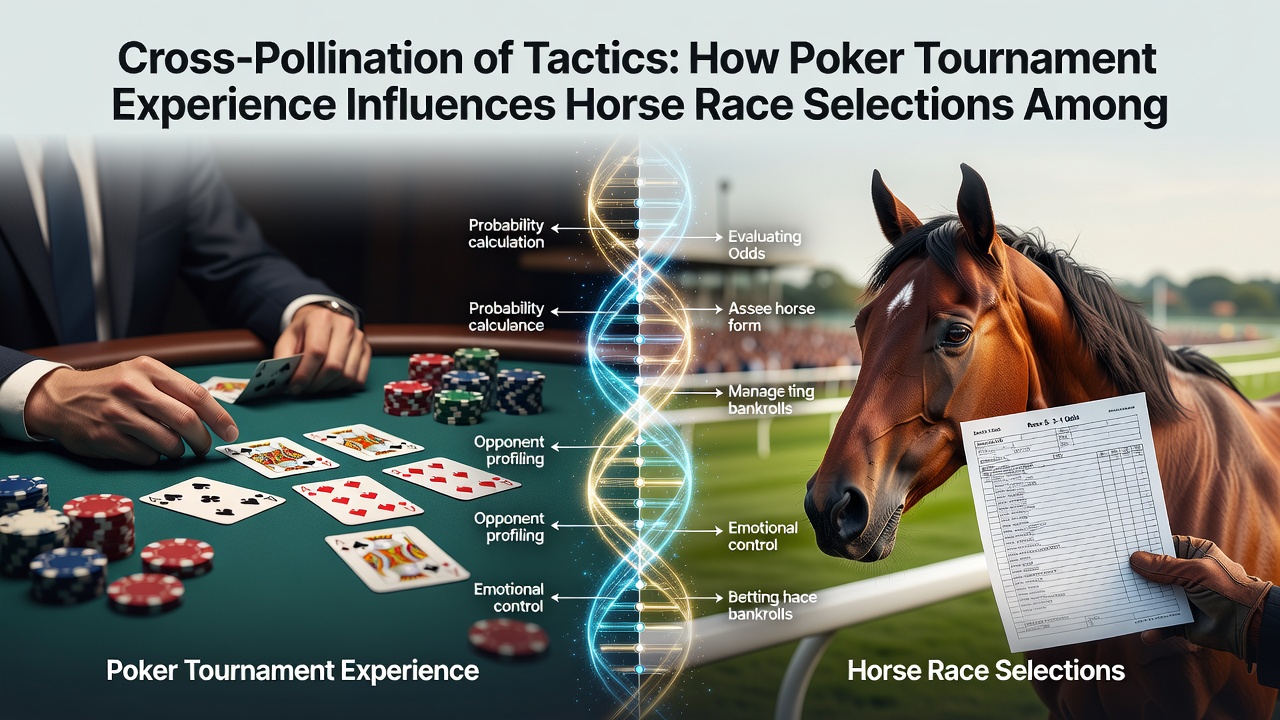
Many dedicated enthusiasts who compete in poker tournaments apply structured decision frameworks to horse race selections, and this pattern emerges clearly when observers track betting behaviors across both activities. Tournament poker demands bankroll discipline, opponent profiling, and probability weighting under pressure, while horse race betting requires evaluation of past performance data, track variables, and odds discrepancies, so participants often merge these elements into unified selection processes.
Core Overlaps in Decision Frameworks
Poker tournament veterans frequently translate concepts like expected value calculations and fold equity awareness into horse racing contexts, where they assess whether a given odds line justifies the risk relative to a horse's projected finishing position. Data from industry reports show that individuals with five or more years of tournament experience demonstrate higher consistency in avoiding overbetting on favorites, a habit reinforced through repeated exposure to variance in multi-table events. Researchers at institutions such as the University of Nevada have documented parallels in how players categorize information hierarchies, moving from broad field analysis in racing to layered reads on betting patterns.
Those who've studied this crossover note that pot odds thinking converts directly to tote board scrutiny, allowing enthusiasts to identify overlays where public money has distorted true probabilities. In June 2026, major racing festivals across North America and Europe coincide with several high-profile poker series, creating natural testing grounds where these blended tactics receive real-time application. Participants report using session-ending rituals from tournaments, such as strict stop-loss thresholds, to cap exposure during extended race cards.
Bankroll Management and Selection Discipline
Effective bankroll allocation remains a central pillar that transfers intact between formats, with tournament players often segmenting racing funds into units sized according to perceived edge rather than emotional confidence levels. Studies from the Canadian Centre for Gaming Research indicate that this unit-based approach reduces drawdown severity during losing sequences compared with flat-stake methods common among casual bettors. Enthusiasts apply multi-level thinking honed at final tables, anticipating how other punters will react to late scratches or weather shifts and adjusting accordingly.
One documented case involved a group of mid-stakes tournament regulars who incorporated range construction techniques when narrowing fields for place and show bets, treating each horse as holding a spectrum of possible outcomes rather than a single binary result. This method produced measurable improvements in hit rates across sample sizes tracked over multiple seasons. Observers note that the same individuals maintain detailed logs of both poker hands and race results, using identical review protocols to refine future selections.
Psychological Elements and Pressure Situations
Tournament experience builds resilience to short-term variance that proves valuable during streaks of placed horses that fail to win, and this mental conditioning helps enthusiasts avoid chasing losses through escalated stakes. Data compiled by the American Gaming Association reveals lower instances of impulsive late bets among those who also compete in structured poker events. The reality is that reading tells at a poker table develops pattern recognition skills that transfer when evaluating jockey body language or trainer comments in the parade ring.
What's interesting is how bluff awareness influences avoidance of traps such as front-running horses with suspect stamina, prompting more conservative place betting strategies. Participants often cite the final-table bubble as analogous to the final race on a card, where survival instincts dominate over aggressive value extraction. Academic papers published in the Journal of Gambling Studies have examined these shared cognitive loads, finding measurable overlap in executive function demands.
Practical Implementation Patterns
Enthusiasts typically begin sessions by importing poker software habits into race analysis, running quick equity estimates on probable outcomes before committing stakes. They layer in positional awareness by factoring post position and pace scenarios the same way they would consider table position in tournaments. This creates a systematic checklist that covers speed figures, trainer strike rates, and pace projections within a single workflow.
During major events like the Breeders' Cup or Royal Ascot, these blended approaches allow for rapid adjustment when market movements mirror the sudden shifts seen in poker tournament stacks. Figures from racing authorities in Australia and Ireland show sustained participation growth among demographics that also report regular poker activity, suggesting the skill transfer appeals to a measurable segment of the betting population.
Conclusion
The documented movement of tactics between poker tournaments and horse race selections continues to expand as participants refine shared methodologies across both domains, supported by probability models, disciplined bankroll rules, and adaptive psychological frameworks. As overlapping schedules in June 2026 highlight these intersections, data from regulatory bodies and academic sources confirm that structured experience in one arena produces measurable effects on decision quality in the other.