The Hidden Infrastructure Behind Secure Transactions in Cross-Border Digital Table Game Networks
Written by Willa Patterson · Aug 18, 2026
The Hidden Infrastructure Behind Secure Transactions in Cross-Border Digital Table Game Networks
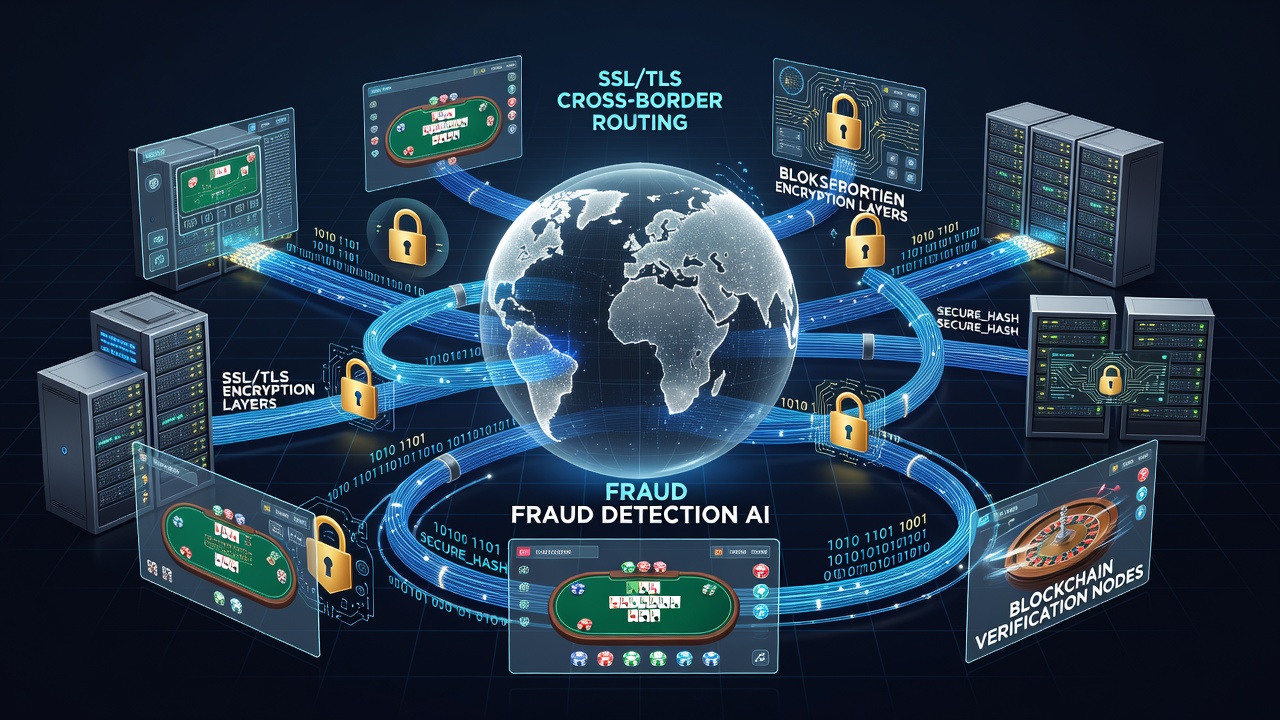
Digital table game networks that operate across multiple countries rely on layered security systems to handle payments without exposing user data or violating regional rules, and observers note that these systems combine encryption protocols with real-time monitoring tools to keep transactions intact while games like roulette and blackjack run in real time.
Core Technical Layers That Protect Payments
Payment gateways sit at the center of these networks and they route funds through tokenization processes that replace card details with unique codes, which means even if one server faces a breach the actual financial information stays isolated, and this approach works alongside end-to-end encryption standards that scramble data during every transfer between jurisdictions.
Researchers at institutions studying financial technology have documented how application programming interfaces connect operator platforms to banking partners in different regions, and these connections use multi-factor authentication plus behavioral analytics to flag unusual patterns before funds move; data shows that such checks reduce unauthorized attempts by significant margins when applied consistently across borders.
Regulatory Alignment Across Regions
Operators must meet varying requirements set by bodies like the Financial Crimes Enforcement Network in the United States and the European Securities and Markets Authority, which means compliance teams build automated reporting tools that track transaction volumes and player locations simultaneously, and this setup allows networks to adjust controls when a player crosses from one regulatory zone into another.
Studies from academic groups focused on digital commerce indicate that August 2026 marks the rollout of updated cross-border payment directives in several markets, and these changes require enhanced verification for high-value table game wagers while maintaining speed for routine bets, so infrastructure providers have already integrated modular software that swaps verification modules without downtime.
Distributed Ledger Applications in Gaming Payments
Some networks incorporate permissioned blockchain ledgers to record transaction histories in ways that multiple parties can audit without revealing full player identities, and this method supports dispute resolution when cross-border transfers encounter delays because every step remains timestamped and immutable once added to the chain.
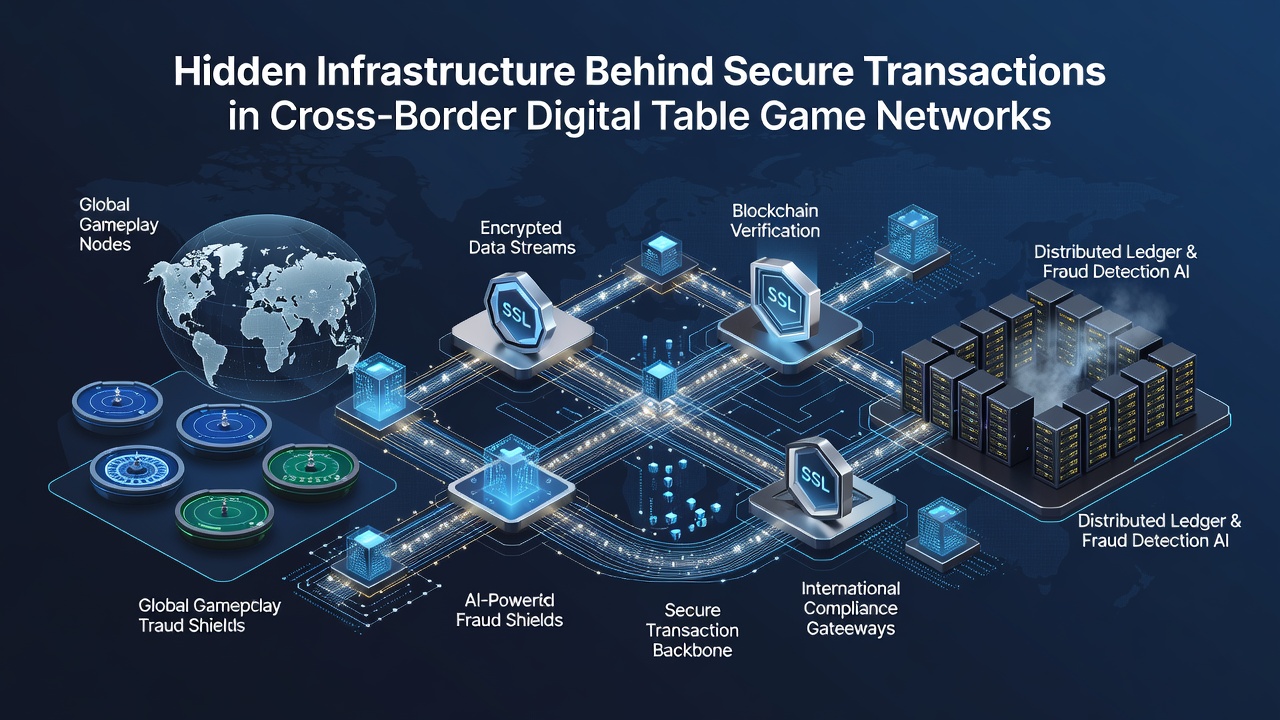
Industry reports from organizations such as the Financial Crimes Enforcement Network highlight how distributed systems help operators meet anti-money laundering expectations without centralizing all records in a single country, and case examples from operators in North America and Asia show that these ledgers cut reconciliation times from days to hours while preserving audit trails required by regulators.
Monitoring Tools and Risk Management
Real-time dashboards aggregate data from payment processors, game servers, and geographic information systems so that teams can spot anomalies like rapid fund movements between accounts located in high-risk zones, and machine learning models trained on historical patterns update themselves continuously to adapt to new fraud techniques that target table game platforms.
Those who manage these systems emphasize that integration between monitoring software and local banking partners remains essential because rules in Australia and Canada, for instance, impose different thresholds for reporting large transfers compared with other regions, and networks that maintain flexible configuration options handle these differences without interrupting gameplay.
Conclusion
The infrastructure supporting secure cross-border transactions in digital table game networks combines encryption, tokenization, regulatory reporting engines, and distributed ledgers to create pathways that function reliably across time zones and legal frameworks, and continued updates scheduled for 2026 demonstrate how these components evolve to address emerging requirements while keeping player funds and data protected throughout each session.