UK Betting Industry Sounds Alarm: 65% of Bettors Reject Affordability Checks, Racing Figures Demand Pause
Written by Zoe Flores · Apr 10, 2026

UK Betting Industry Sounds Alarm: 65% of Bettors Reject Affordability Checks, Racing Figures Demand Pause
The Poll That Sparked the Firestorm
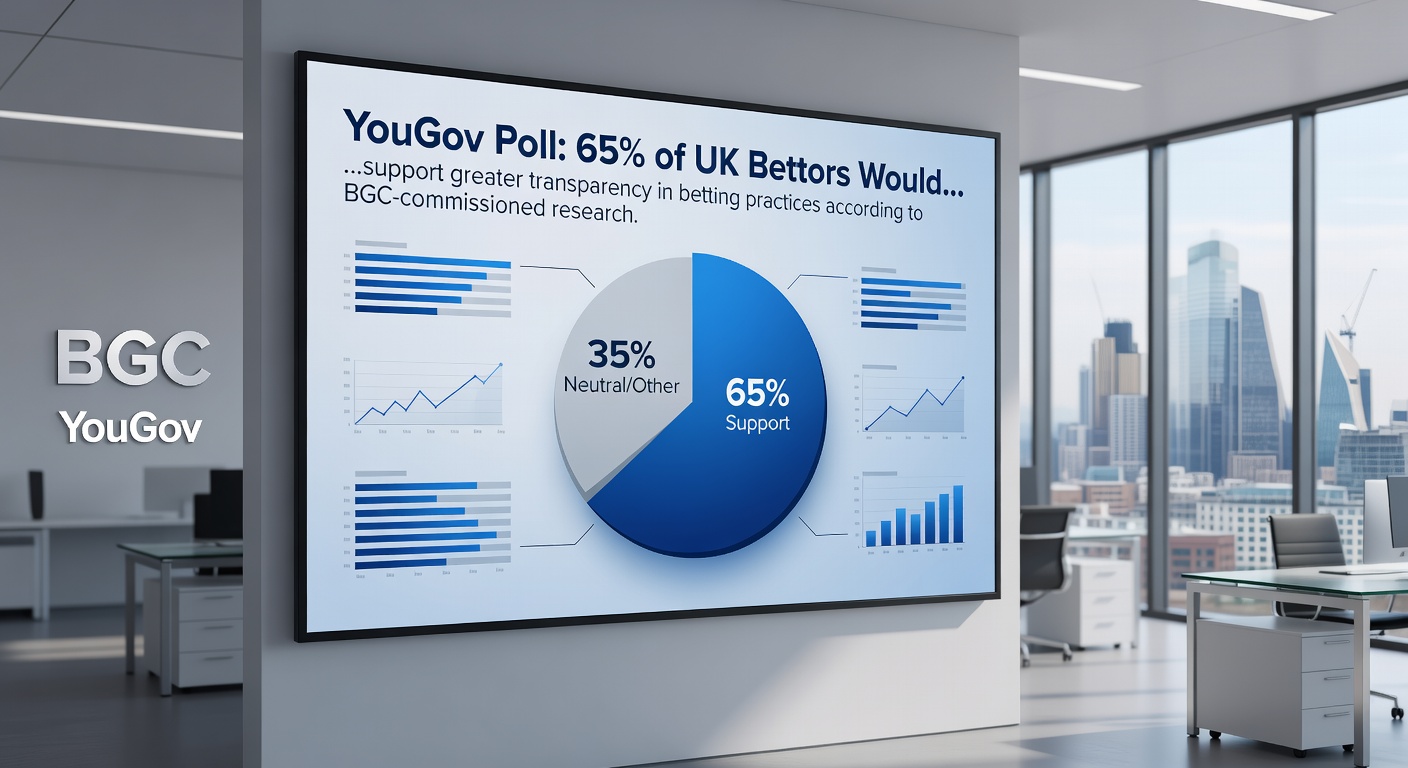
A recent YouGov poll commissioned by the Betting and Gaming Council (BGC) uncovered a stark reality: 65% of UK bettors say they would refuse to hand over personal financial documents like bank statements for affordability checks, a measure set to reshape the gambling landscape; this finding comes as the industry braces for broader regulatory changes under the 2023 Gambling Act Review White Paper, with full compliance expected by the third quarter of 2026.
What's interesting here is how the data highlights a potential tipping point, since bettors view these checks not just as a hassle but as an invasion that could push them straight into unregulated waters; observers note that black market operators, lacking any oversight, already lure players with promises of anonymity and no paperwork, and this poll suggests the regulated sector might lose ground fast if checks roll out unchecked.
Take the BGC's take on it—they warn these affordability assessments, meant to curb problem gambling, risk driving customers away from licensed operators toward shadowy alternatives where protections vanish; and since the poll targeted active bettors, the 65% figure carries weight, reflecting real sentiment among those who keep the industry humming.
Racing Community's Open Letter Packs a Punch
In a bold move, 408 figures from British horseracing—trainers, jockeys, owners, and more—signed an open letter to Culture Secretary Lisa Nandy, urging her to hit pause on the affordability checks rollout; they argue these measures threaten the sport's financial backbone, as punters flee to black market sites that dodge all restrictions, potentially crippling racecourses and the jobs they support.
But here's the thing: this isn't isolated pushback, since the letter ties directly into the Gambling Act reforms, where enhanced checks aim to verify spending capacity through financial data, yet racing stakeholders see it as a sledgehammer that could smash attendance and betting volumes; experts who've tracked horseracing economics point out that the sector relies heavily on on-course and remote betting, and any dip could echo through breeding programs, prize money, and rural economies tied to the tracks.
One case that underscores the stakes involves smaller trainers who depend on betting turnover for survival; if punters bolt to unregulated apps offering better odds without ID hassles, those figures reveal how quickly revenue streams dry up, leaving the sport scrambling.
Affordability Checks: The Mechanics and the Backlash
These checks, detailed in the 2023 White Paper, require operators to assess a customer's ability to afford losses using tools like credit records, payslips, or bank data—thresholds kick in for frequent or high rollers, with frictionless versions for casual players; yet data from the BGC poll shows two-thirds balk at sharing such info, fearing data breaches or endless paperwork loops that kill the fun of a quick bet.
And while regulators push this as a shield against addiction—studies from the UK Gambling Commission have long flagged rising concerns—industry voices counter that it disproportionately hits recreational bettors who self-regulate just fine; turns out, black market sites thrive on this friction, offering crypto payments and no KYC, which pulls in UK players despite the risks of rigged games or unpaid winnings.
People who've studied similar rollouts in places like Sweden note how licensed operators lost market share post-checks, with underground betting surging; the reality is, UK bettors prize speed and privacy, so when operators must pause action for document hunts, players simply switch apps.
Tax Hike Looms Large in April 2026
Adding fuel to the fire, the Remote Gaming Duty jumps to 40% starting April 1, 2026, a move that squeezes operator margins just as affordability checks demand costly compliance upgrades; figures from the BGC indicate this double whammy could force price hikes on bets or outright closures for smaller firms, funneling more traffic to tax-free black market havens.
So, operators face a crunch: invest in check systems that alienate 65% of customers per the poll, or risk fines from the Gambling Commission; it's noteworthy that the White Paper timelines align this tax rise with check mandates, creating a perfect storm by Q3 2026 when everything snaps into place.
Those in the racing world, via their letter, highlight how levy-funded prize pots—drawn from betting duties—stand to shrink, since black market wins don't contribute a penny; one study on past duty changes revealed a 10-15% drop in contributions during hikes, and with checks compounding the issue, the math looks grim.
Broader Industry Ripple Effects
Now, consider the bettor perspective captured in that YouGov survey: beyond the 65% refusal rate, many cited privacy worries and time sinks, with some saying they'd quit betting altogether rather than comply; this sentiment echoes across sportsbooks, where seamless apps define user loyalty, and any barrier feels like a deal-breaker.
Experts observing the market note how competitors in less regulated jurisdictions ramp up UK-targeted ads, promising no checks and instant payouts; the writing's on the wall for licensed sites if friction mounts, especially since participation rates hover steady but could plummet under new rules.
There's this case from early pilots where operators tested soft checks—uptake lagged because players ghosted at the first prompt for data; and with 408 racing signatories amplifying the call to pause, pressure builds on policymakers to tweak the approach, perhaps favoring behavioral signals over hard financial digs.
Stakeholder Reactions and Next Steps
The BGC, fresh off the poll, rallies operators to lobby hard, pointing to data showing regulated betting's safer track record versus black market chaos; meanwhile, Culture Secretary Nandy's office has acknowledged the letter, though no formal response details emerge yet, leaving the industry in wait-and-see mode.
Yet regulators hold firm on the White Paper's goals, backed by evidence of gambling harms costing billions annually; the ball's in their court to balance protection with viability, especially as April 2026's tax shift nears and checks phase in progressively.
Observers track similar debates in Australia, where scaled-back checks preserved market integrity without mass exodus; UK stakeholders hope for that middle ground, with the open letter serving as a megaphone for compromise before Q3 2026 locks in the rules.
Conclusion
As the BGC poll's 65% rejection rate collides with racing's unified plea and the looming April 2026 tax spike, the UK gambling sector navigates turbulent waters; affordability checks, core to the 2023 White Paper, aim to safeguard players but risk shoving them toward unregulated shadows, a scenario the industry's warnings paint in vivid detail.
With 408 voices demanding a pause and data underscoring bettor resistance, the path forward hinges on dialogue between regulators, operators, and stakeholders; full compliance by Q3 2026 looms large, yet adjustments could keep the ecosystem thriving without sacrificing protections—time will tell how this unfolds, but the stakes for British betting and racing have rarely felt higher.