Virtual Racing Mechanics and Their Expanding Role in Digital Wagering Systems
Written by David Becker · Jul 7, 2026
Virtual Racing Mechanics and Their Expanding Role in Digital Wagering Systems
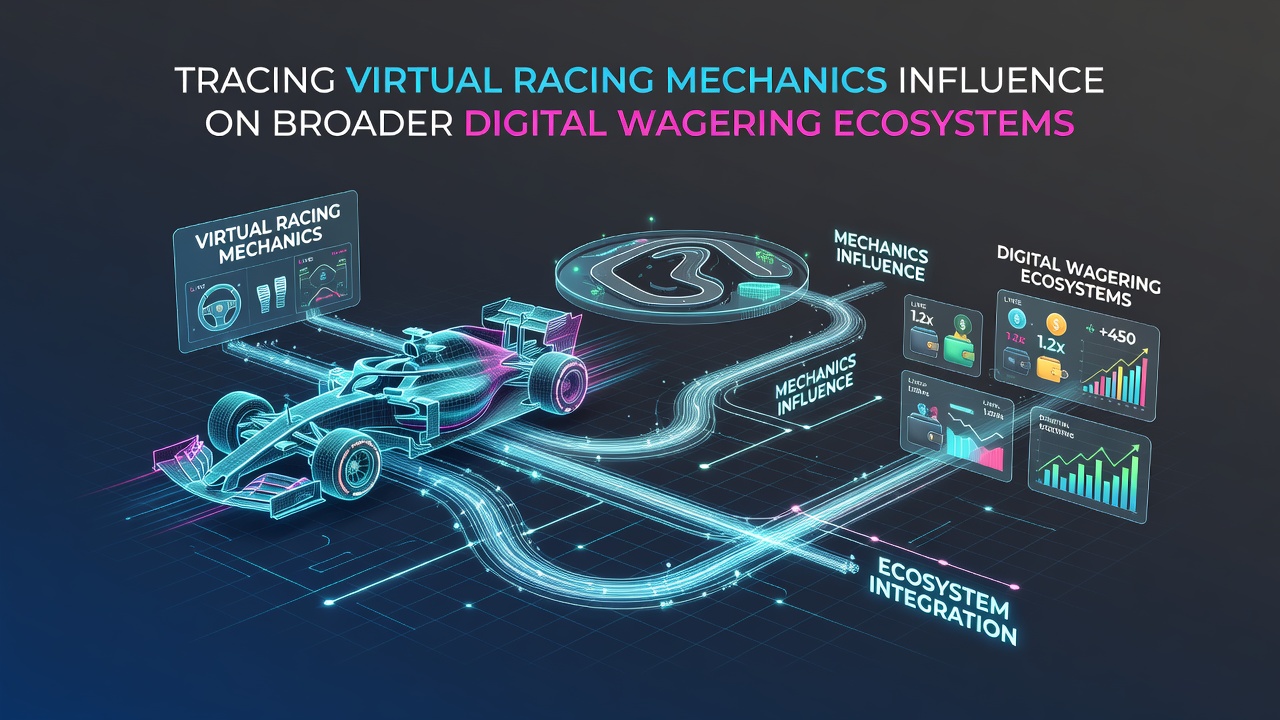
Virtual racing platforms rely on sophisticated random number generators combined with physics-based animation engines that create simulated competitions in seconds rather than minutes, and these core mechanics have migrated steadily into other segments of digital wagering since the mid-2010s. Operators first introduced virtual greyhound and horse races as filler content during live event downtime, yet the same algorithmic frameworks now underpin instant-win side bets on major sportsbooks and certain live casino hybrids. Data from industry tracking services shows virtual racing generated roughly 4 percent of total online gambling yield in several mature markets by early 2026, a share that continues to influence interface design choices across unrelated verticals.
Core Technical Components and Their Transfer
At the heart of every virtual race sits a certified RNG that determines outcomes while layered graphics engines render motion that feels unpredictable to users, and developers have adapted these dual systems for quick-cycle betting products such as virtual football penalty shootouts or virtual tennis points. The betting slip architecture remains nearly identical: fractional odds update in real time, multiple selections combine into accumulators, and cash-out functions mirror those found in traditional sports markets. Observers note that once players become comfortable with the compressed event cycle of a 60-second virtual race, they tend to apply the same rapid decision patterns when encountering other fast-play options on the same platform.
Integration Patterns Across Product Categories
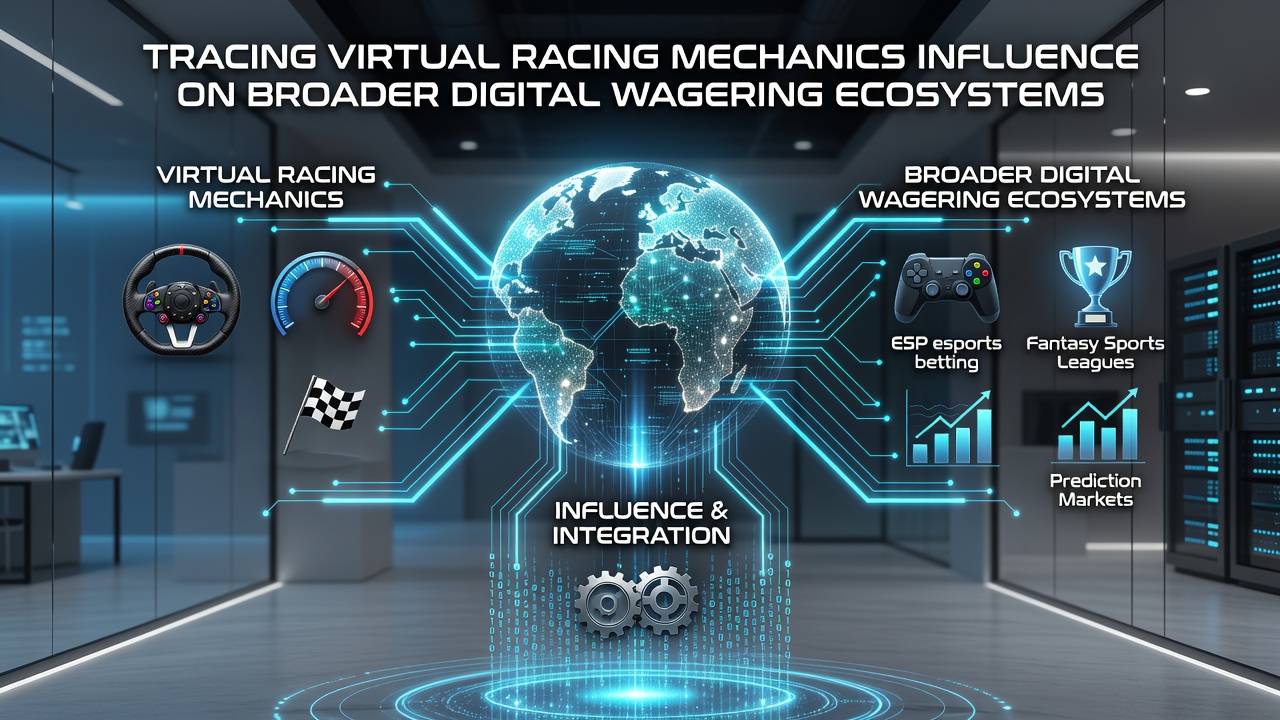
Sportsbooks have begun embedding virtual racing modules directly into their mobile applications, allowing seamless toggling between live tennis and a parallel virtual race feed without leaving the main lobby, and this cross-promotion strategy has increased average session duration according to platform analytics shared at recent trade conferences. Casino operators meanwhile incorporate virtual race visuals into certain slot bonus rounds, replacing static reels with animated finishes that award multipliers drawn from the same probability tables used in dedicated virtual racing terminals. The result is a shared user experience layer that reduces cognitive friction when moving between game types. In July 2026 several North American operators reported that players who started sessions with virtual racing placed 18 percent more bets on table games within the same hour compared with those who began on traditional slots.
Regulatory and Compliance Adaptations
Regulators in multiple jurisdictions have applied testing standards originally developed for virtual racing RNGs to other instant-bet products, and this harmonization simplifies certification processes for operators expanding across verticals. The Nevada Gaming Control Board, for example, references virtual racing audit protocols when reviewing new quick-cycle offerings, while Australia's state racing authorities have published technical guidelines that several European licensing bodies now cite in their own evaluation frameworks. These shared benchmarks reduce duplicate compliance work and create consistent fairness expectations for players who encounter similar mechanics in different contexts.
Data and User Behavior Insights
Studies conducted by the International Gaming Institute at the University of Nevada, Las Vegas indicate that virtual racing sessions exhibit shorter but more frequent betting intervals than traditional sports, with median stake sizes remaining consistent across both categories. This pattern suggests the mechanics encourage habitual engagement rather than larger single wagers, and operators have applied the same session-length metrics when optimizing reward structures for loyalty programs that span multiple product lines. Figures from the same research series reveal that users who engage with virtual racing early in their account lifecycle demonstrate higher retention rates at the six-month mark, a finding that has prompted several platforms to feature virtual content more prominently during onboarding sequences.
Future Trajectories and Ecosystem Effects
Developers continue to refine the underlying simulation engines with machine learning models that adjust difficulty curves based on collective betting patterns, and these adaptive systems are already appearing in experimental esports prediction markets. The technical overlap allows operators to maintain a single backend for multiple front-end experiences, lowering infrastructure costs while delivering varied content. As virtual racing mechanics embed deeper into the broader digital wagering stack, the distinction between product categories grows less pronounced for both players and regulators alike.
Conclusion
Virtual racing has moved from niche filler content to a foundational technology layer that shapes how platforms structure speed, probability, and user flow across digital wagering. The same RNG certification processes, interface conventions, and session analytics now appear in sports, casino, and hybrid offerings, creating measurable efficiencies and consistent player expectations. Continued cross-pollination of these mechanics will likely define platform architecture for years ahead.