Virtual Reality Transforms Live Dealer Interactions in Digital Poker Settings
Written by David Becker · Jul 17, 2026
Virtual Reality Transforms Live Dealer Interactions in Digital Poker Settings
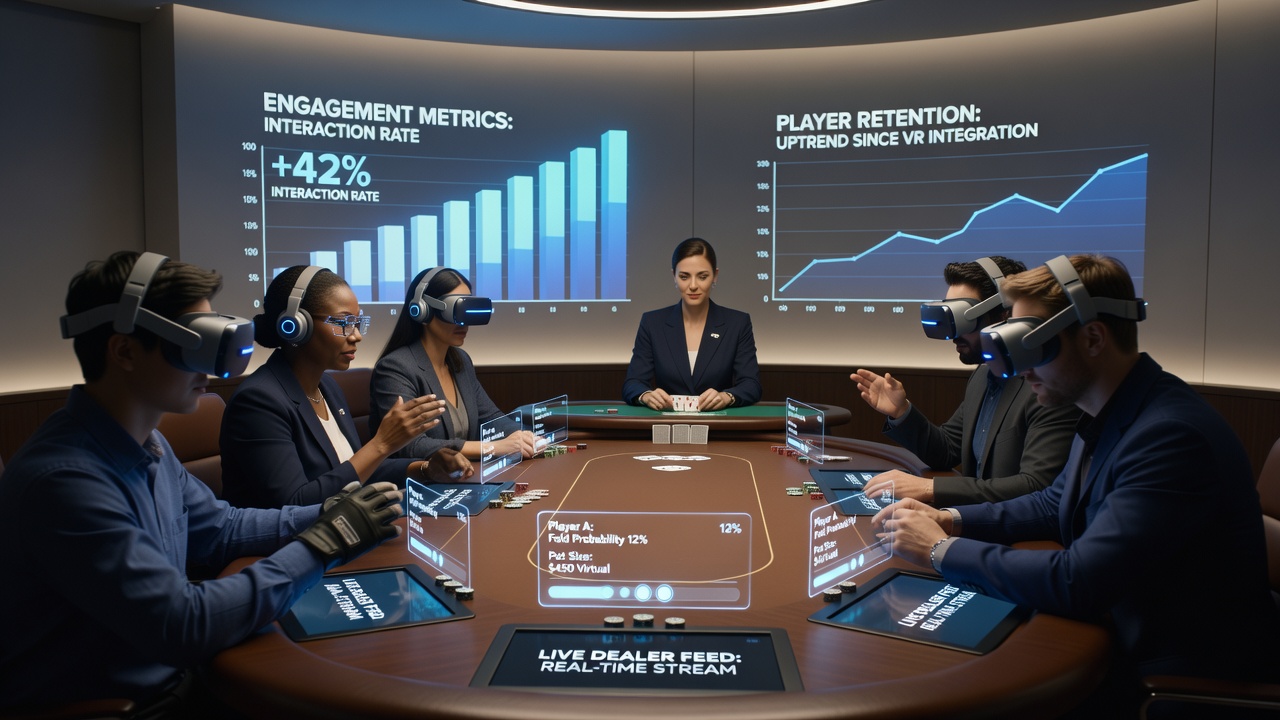
Virtual reality systems have begun merging with live dealer platforms in online poker rooms, creating environments where participants interact through avatars while real dealers manage physical cards and chips on camera feeds. This combination allows players to experience table dynamics that extend beyond standard video streams, with headsets rendering three-dimensional spaces around the action. Data from industry reports shows adoption rates climbing steadily through mid-2026 as hardware becomes more accessible across multiple regions.
Technical Integration Methods
Developers connect VR interfaces to live dealer studios by streaming high-definition video into virtual table layouts, where users see dealers handling real equipment while avatars represent other participants around the felt. Tracking sensors capture hand movements and gestures so that betting actions translate directly into the digital space without requiring separate clicks or taps. Research from academic sources indicates these setups reduce latency issues through dedicated servers that synchronize audio from the physical table with visual elements rendered in real time.
Platforms in various markets have tested multi-angle camera systems that let VR users shift perspectives around the dealer and table edges, which provides clearer views of card reveals and chip stacks compared to fixed webcam positions. Engineers have noted that haptic feedback devices add another layer by simulating the weight of virtual chips during placement, although these remain optional features in most current implementations.
Shifts in Player Engagement Patterns
Engagement metrics collected by operators reveal longer average session durations when VR elements combine with live tables, since participants report feeling more present during extended hands. Avatars enable non-verbal communication such as nods or shrugs that mirror in-person poker tells, which alters how players read opponents compared to text-based chat functions alone. Studies from research institutions have tracked increased repeat visits among users who first try these hybrid rooms, with patterns showing stronger retention in sessions that include social features like shared virtual lobbies between hands.
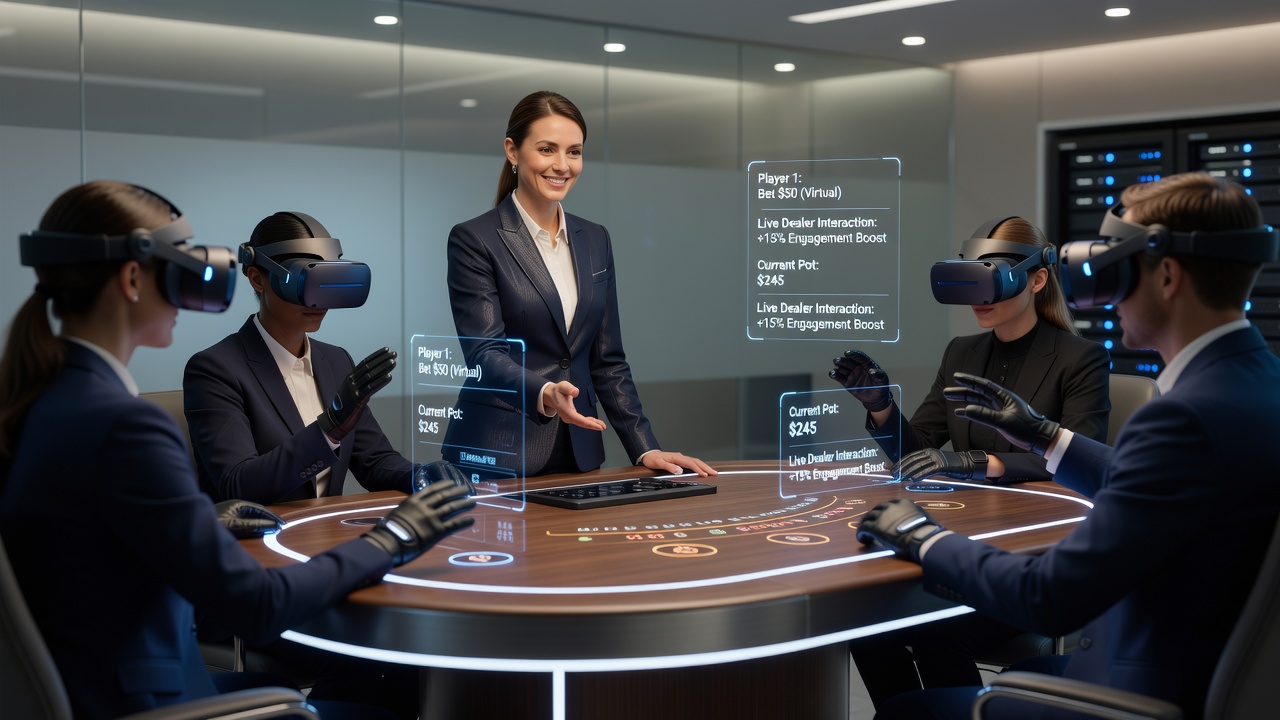
Observers have documented changes in betting speed and aggression levels, with some data sets indicating more cautious play when avatars display realistic body language cues. This stems from the immersive setup that heightens awareness of table presence, whereas traditional interfaces often encourage quicker decisions due to reduced visual context. Regulatory bodies in Australia and Canada have reviewed these systems for compliance, confirming that core game rules remain consistent even as presentation layers evolve.
Regional Developments Through July 2026
European operators expanded VR live dealer options in early 2026, integrating them with existing poker networks that already support multi-table play. Figures from gaming associations show participation growth in markets where broadband infrastructure supports high-bandwidth streams required for seamless avatar rendering. North American platforms followed similar paths later that year, focusing on state-regulated environments where live dealer licensing already existed for non-VR formats.
One case involved a Canadian provider that linked VR headsets to studios in multiple time zones, allowing continuous table availability and shifting engagement peaks away from traditional evening hours in single regions. Academic papers have examined these adjustments, noting that cross-time-zone access creates steadier player flows without altering underlying poker mechanics or payout structures.
Challenges and Adaptations
Hardware requirements present barriers for some users, since full VR setups demand compatible headsets and sufficient processing power that exceed standard computer specifications. Operators have responded by offering browser-based previews that simulate limited aspects of the experience before full commitment. Industry organizations report ongoing work on lighter applications that maintain core immersion while lowering entry thresholds for broader audiences.
Security protocols have adapted alongside these technologies, with encryption standards applied to both video feeds and avatar data streams to prevent unauthorized access during live sessions. Government agencies in different jurisdictions continue monitoring these integrations to ensure they align with existing online gaming frameworks without introducing new vulnerabilities.
Conclusion
Virtual reality integration with live dealer tables continues reshaping how participants interact in digital poker rooms through combined physical and rendered elements. Patterns emerging from operational data point to sustained interest in these formats as technology advances, with engagement metrics reflecting the influence of avatar-based social cues and immersive perspectives. Developments observed through July 2026 demonstrate steady expansion across regulated markets while maintaining focus on consistent game delivery and technical reliability.